top of page

A Note to Our Readers: Our health blog sometimes features articles from third-party contributors. We share ideas and inspiration to guide your wellness journey—but remember, it’s not medical advice. If you have any health concerns or ongoing conditions, always consult your physician first before starting any new treatment, supplement, or lifestyle change.

Therapeutic Plasma Exchange: Benefits, Risks and What to Expect

  • Writer: Monica Pineider
    Monica Pineider
  • 38 minutes ago
  • 10 min read

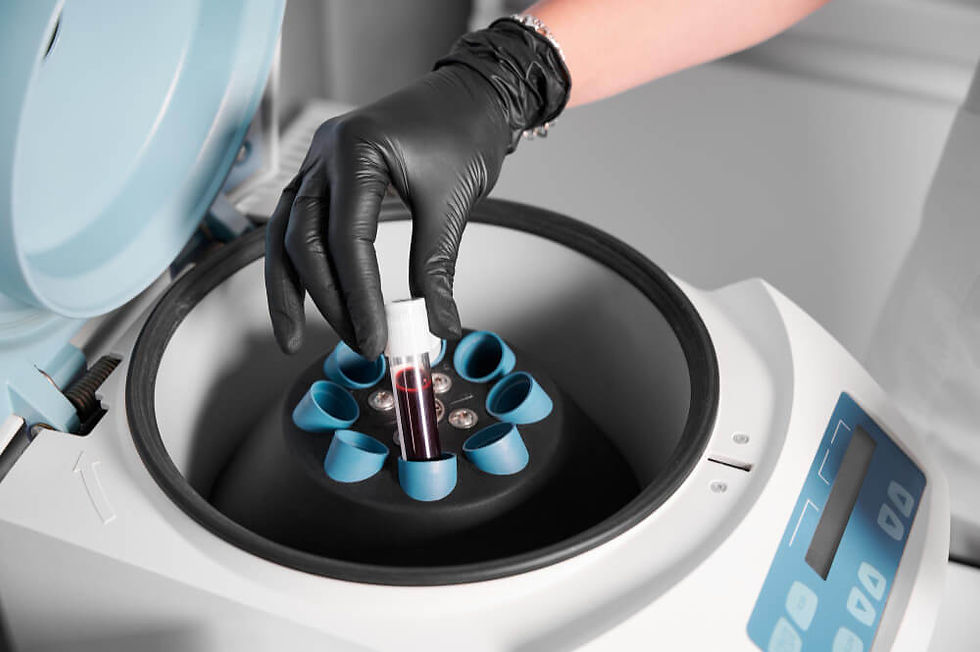
Gloved hand places a blood sample tube into a centrifuge in a lab, with a blue digital control panel.
Therapeutic plasma exchange is an established medical procedure used for selected autoimmune conditions and is now being explored for additional health applications.

Quick Answer


Therapeutic plasma exchange (TPE) is a medical procedure that removes plasma from the blood while returning blood cells to the body. It has been safely used for decades to treat certain autoimmune and neurological conditions, while researchers continue to investigate its potential role in inflammation management and healthy ageing. Careful medical assessment is essential before considering treatment.


Key Takeaways


  • Therapeutic plasma exchange removes plasma while preserving and returning blood cells.

  • TPE is an established treatment for several autoimmune and neurological disorders.

  • Researchers are investigating its potential role in inflammation management and healthy ageing, although evidence remains limited.

  • A thorough medical assessment and blood tests are essential before treatment.

  • Plasma exchange should only be performed under the supervision of appropriately qualified healthcare professionals.


Table of Contents


What Is Therapeutic Plasma Exchange?


Therapeutic plasma exchange (TPE), also known as plasma exchange or apheresis, is a medical procedure designed to remove and replace the liquid portion of the blood known as plasma.


Unlike a standard blood donation, plasma exchange separates plasma from the blood cells before returning the red blood cells, white blood cells and platelets back to the body together with a sterile replacement fluid, usually pharmaceutical-grade albumin.


For decades, hospitals have used therapeutic plasma exchange to treat a range of autoimmune, neurological and blood disorders. More recently, interest has expanded beyond traditional medical indications as researchers investigate whether reducing circulating inflammatory proteins may also support certain aspects of long-term health.


Although these emerging applications have attracted significant attention, it is important to distinguish between well-established medical uses and areas where evidence is still evolving.


📊 Evidence Snapshot

Therapeutic plasma exchange is supported by decades of clinical evidence for selected autoimmune and neurological diseases. Research into its use for inflammation management and healthy ageing is promising but remains at an earlier stage.


Diagram of a blood sample tube showing plasma, white blood cells and platelets, and red blood cells with percentages on a black background
Therapeutic plasma exchange separates plasma from blood cells before returning the blood cells to the circulation.

Therapeutic plasma exchange has been an established treatment for selected autoimmune and neurological disorders for decades, with professional guidelines continuing to support its use where there is strong clinical evidence.


How Does Therapeutic Plasma Exchange Work?


Blood consists of two main components:


  • Blood cells, including red blood cells, white blood cells and platelets.

  • Plasma, the straw-coloured liquid that transports proteins, antibodies, hormones, nutrients and waste products throughout the body.


During therapeutic plasma exchange, blood is drawn through a specialised FDA-cleared apheresis machine.


The machine separates the plasma from the blood cells using advanced filtration or centrifugation technology.


The removed plasma is then replaced with a sterile replacement solution—most commonly albumin, a naturally occurring protein that helps maintain fluid balance within the bloodstream.


The blood cells are immediately returned to the patient together with the replacement fluid.

The entire process usually takes 60–120 minutes, depending on the treatment plan and the amount of plasma being exchanged.


Patients remain awake throughout the procedure and are continuously monitored by trained healthcare professionals.


💡 Expert Tip

Although plasma exchange is often described as a "blood cleansing" treatment, this can be misleading. The procedure specifically removes plasma while preserving blood cells, making it a highly targeted medical therapy rather than a general detoxification treatment.


Why Is Plasma Exchange Used?


Therapeutic plasma exchange is well established for treating several serious medical conditions in which harmful substances circulating in the plasma contribute to disease.


Examples include:


By removing plasma that contains disease-causing antibodies or inflammatory proteins, therapeutic plasma exchange may help reduce disease activity and improve symptoms in carefully selected patients.


Emerging Research into Inflammation and Healthy Ageing


Researchers are also investigating whether plasma exchange could have broader applications beyond established medical conditions.


Because plasma carries inflammatory proteins, immune molecules and metabolic by-products, replacing part of the plasma may temporarily alter the body's inflammatory environment.


This has generated growing interest in potential applications involving:


  • chronic low-grade inflammation

  • healthy ageing

  • immune system regulation

  • metabolic health

  • recovery and resilience


However, these uses remain an area of active research.


While some early findings are encouraging, there is currently insufficient evidence to recommend therapeutic plasma exchange as a routine anti-ageing or wellness treatment for healthy individuals.


If you're interested in supporting long-term wellbeing, explore our Healthy Ageing & Senior Wellness Hub, where we discuss evidence-based strategies for maintaining health through nutrition, movement and preventative care.


Researchers are increasingly exploring how inflammation influences overall cellular health. Learn more in our article Cellular Health: Understanding Peptide Therapy and Emerging Research, which explains how healthy cells communicate, repair damage and support long-term wellbeing.


Who May Be Suitable for Therapeutic Plasma Exchange?


Not everyone is an appropriate candidate for therapeutic plasma exchange.


For medically approved conditions, suitability is determined by established clinical guidelines and a thorough assessment by a specialist healthcare team.


For emerging wellness applications, responsible providers should begin with a comprehensive evaluation rather than recommending treatment immediately.


This assessment typically includes:


  • Detailed medical history

  • Current medications and supplements

  • Physical examination

  • Blood tests

  • Hydration status

  • Vein assessment

  • Review of previous medical conditions


The aim is to determine whether the potential benefits outweigh the risks for each individual.


Doctor discussing blood test results before therapeutic plasma exchange.
A comprehensive medical assessment helps determine whether therapeutic plasma exchange is appropriate.

Conditions That May Require Extra Caution


Therapeutic plasma exchange is not suitable for everyone.


Additional assessment or alternative treatment may be needed if a person has:


  • Active infection

  • Severe anaemia

  • Blood clotting disorders

  • Advanced cardiovascular disease

  • Poorly controlled autoimmune disease

  • Severe kidney or liver disease

  • Difficulty obtaining reliable venous access

  • Pregnancy (unless clinically indicated)


These factors do not automatically prevent treatment but should always be discussed with the treating physician.


📊 Evidence Snapshot

Clinical guidelines recommend therapeutic plasma exchange only after careful evaluation of the patient's medical condition, laboratory findings and the strength of evidence supporting treatment for that specific indication.


What Happens During a Plasma Exchange Session?


Understanding how a therapeutic plasma exchange session works can make the procedure feel much less intimidating.


If you're trying to understand what plasma exchange Austin TX providers actually do during a session, it helps to separate the well-established medical procedure from the newer, still-developing wellness applications built on top of it. Although interest in plasma exchange has expanded beyond its traditional medical uses, the treatment process itself remains largely the same, regardless of the reason for treatment.


A typical therapeutic plasma exchange appointment usually lasts between 60 and 120 minutes, although the exact duration depends on the treatment plan and the volume of plasma being exchanged.


Before Treatment


Before treatment begins, your healthcare team will:


  • review your medical history

  • check your blood pressure, pulse and temperature

  • confirm recent blood test results

  • ensure you are well hydrated

  • insert an intravenous line or use an existing vascular access device


Most people are encouraged to eat a light meal beforehand, as arriving on an empty stomach may increase the likelihood of dizziness.


During Treatment


Blood passes through the apheresis machine in a continuous cycle.


The machine separates the plasma while returning the blood cells together with the replacement solution.


Throughout the procedure:


  • you remain awake

  • your blood pressure and heart rate are monitored

  • trained healthcare professionals supervise the treatment continuously


Some people read, listen to music or watch television during the session.


Most describe the procedure as comfortable, although temporary side effects can occur.


These may include:


  • tingling around the lips or fingertips

  • feeling cold

  • mild fatigue

  • light-headedness


These symptoms are often related to the anticoagulant used during treatment and usually resolve quickly.


After Treatment


Once the session has finished, most people can return home the same day.


Your healthcare provider may recommend:


  • drinking plenty of fluids

  • avoiding strenuous exercise for 24 hours

  • eating balanced meals

  • monitoring for unusual bruising or bleeding

  • attending follow-up appointments if additional treatments are planned


Recovery varies depending on the reason for treatment.


Some people notice changes within a few days, while others require several sessions before

measurable improvements occur.


💡 Expert Tip

Improvements should be assessed using both symptoms and objective medical findings. Follow-up blood tests often provide a clearer picture of treatment response than relying solely on how you feel immediately after the procedure.


Supporting recovery often involves more than one intervention. Explore our Exercise and Rehabilitation Hub for practical advice on returning to activity safely after illness or medical treatment.


Benefits Being Investigated


The strongest evidence for therapeutic plasma exchange remains its use in selected autoimmune and neurological diseases.


Researchers are also investigating whether the procedure may help support other aspects of health by temporarily reducing circulating inflammatory proteins and immune-related molecules.


Areas currently being explored include:


  • chronic inflammation

  • immune regulation

  • metabolic health

  • cognitive function

  • healthy ageing


Although early findings have generated interest, these applications require further high-quality clinical research before routine recommendations can be made.


Possible Benefits


For appropriately selected patients, therapeutic plasma exchange may:


  • reduce disease-causing antibodies

  • lower circulating inflammatory proteins

  • improve symptoms associated with certain autoimmune disorders

  • support recovery in selected neurological conditions

  • complement other medical treatments when clinically appropriate


Potential benefits vary considerably depending on the underlying condition being treated.


Risks and Possible Side Effects


Like any medical procedure, therapeutic plasma exchange carries potential risks.


Fortunately, serious complications are uncommon when treatment is performed by experienced healthcare professionals using established clinical protocols.


Possible side effects include:


  • temporary fatigue

  • dizziness

  • nausea

  • tingling sensations

  • bruising around the needle site

  • low blood pressure

  • allergic reactions to replacement fluids (rare)

  • infection or bleeding related to vascular access (uncommon)


Your healthcare provider should discuss both the potential benefits and risks before treatment begins.


⚖️ Myth vs Fact

Myth

Fact

Plasma exchange simply "cleans the blood."

It specifically removes plasma while preserving blood cells.

Anyone can benefit from plasma exchange.

Suitability depends on medical history, blood tests and clinical assessment.

Plasma exchange is proven as an anti-ageing treatment.

Research is promising but remains limited outside established medical indications.

Recovery is immediate for everyone.

Treatment responses vary depending on the underlying condition and overall health.


Choosing a Therapeutic Plasma Exchange Clinic


Selecting an experienced provider is one of the most important decisions when considering therapeutic plasma exchange.


Because TPE is a medical procedure rather than a routine wellness treatment, clinics should demonstrate clear clinical protocols, appropriate patient screening and ongoing medical supervision.


Before booking a consultation, consider asking the following questions:


  • Is the procedure supervised by a licensed physician?

  • Which apheresis system do you use, and is it FDA-cleared?

  • What blood tests are required before treatment?

  • How do you determine whether someone is a suitable candidate?

  • How are potential side effects monitored and managed?

  • Will follow-up blood tests be used to assess treatment outcomes?

  • How many plasma exchange procedures has your clinical team performed?


A reputable provider should be willing to explain both the potential benefits and the limitations of treatment without making unrealistic promises.


Doctor explaining therapeutic plasma exchange during a patient consultation.
A detailed consultation helps determine whether therapeutic plasma exchange is appropriate for your individual health needs.

Red Flags to Be Aware Of


While interest in therapeutic plasma exchange is growing, not every provider follows the same clinical standards.


Be cautious if a clinic:


  • Guarantees anti-ageing or longevity results.

  • Claims plasma exchange can treat a wide range of unrelated conditions.

  • Recommends treatment without reviewing your medical history.

  • Does not perform blood tests before treatment.

  • Cannot explain the evidence supporting their recommendations.

  • Focuses only on marketing rather than medical assessment.


Good providers understand that plasma exchange is only one part of a broader healthcare plan and should be recommended only when appropriate.


Why Follow-Up Care Matters


Therapeutic plasma exchange should not end when the session finishes.


For many medical conditions, healthcare professionals monitor progress through:


  • repeat blood tests

  • inflammatory markers

  • antibody levels (where appropriate)

  • symptom questionnaires

  • physical examination

  • review of medications


This ongoing assessment helps determine whether additional treatments are necessary or whether other approaches may be more appropriate.


Providers who incorporate follow-up testing and clinical review generally offer a more comprehensive standard of care than those providing plasma exchange as a one-off wellness service.


💡 Expert Tip

Long-term health improvements are rarely achieved through a single procedure alone. Nutrition, regular physical activity, quality sleep, stress management and appropriate medical care remain the cornerstones of reducing inflammation and supporting overall wellbeing.


If you're interested in reducing inflammation naturally, explore our Pain Management Hub, where we discuss evidence-based approaches including exercise, nutrition, acupuncture and complementary therapies that may help support long-term wellbeing.


Frequently Asked Questions


Is therapeutic plasma exchange painful?


Most people describe the procedure as comfortable. Apart from inserting the intravenous line, there is usually little discomfort during treatment. Some people notice temporary tingling sensations or feel cold while the machine is running.


How long does a plasma exchange session take?


A typical session lasts between 60 and 120 minutes, depending on the amount of plasma being exchanged and the individual's treatment plan.


Is plasma exchange safe?


When performed in an appropriate medical setting by experienced healthcare professionals, therapeutic plasma exchange has an established safety profile. As with any medical procedure, there are potential risks and side effects that should be discussed before treatment.


Can therapeutic plasma exchange reduce inflammation?


Therapeutic plasma exchange removes plasma containing inflammatory proteins and antibodies. While this mechanism is well established, the clinical benefits depend on the underlying condition being treated. Research into its use for general inflammation and healthy ageing is ongoing.


Can plasma exchange be used as an anti-ageing treatment?


Although researchers are exploring potential applications in healthy ageing, there is currently insufficient evidence to recommend therapeutic plasma exchange as a routine anti-ageing therapy for healthy individuals.


How many sessions are usually needed?


The number of treatments varies considerably depending on the medical condition, treatment goals and clinical response. Your healthcare provider will recommend an individual treatment plan based on your assessment and follow-up results.


How A to Zen Therapies Can Support Your Wellbeing


At A to Zen Therapies, we believe that long-term health is best supported through evidence-based education, healthy lifestyle habits and appropriately selected complementary therapies.


While therapeutic plasma exchange is a specialised medical procedure that falls outside the services we provide, many people managing chronic pain, muscular tension or stress also benefit from treatments such as:


These therapies may complement a broader healthcare plan by supporting relaxation, mobility and overall wellbeing. They should not be considered a substitute for medical diagnosis or specialist treatment where required.


Continue Exploring Our Pain Management Hub


If you're interested in reducing inflammation, improving recovery and supporting long-term health, explore our Pain Management Hub for evidence-based articles covering chronic pain, rehabilitation, complementary therapies, exercise, healthy ageing and preventative health.


Conclusion


Therapeutic plasma exchange is a well-established medical procedure with an important role in treating selected autoimmune and neurological conditions. Researchers are also exploring its potential applications in inflammation management, immune regulation and healthy ageing, although many of these uses remain under investigation.


For the right individual, therapeutic plasma exchange may offer meaningful benefits when delivered within an evidence-based medical framework. However, it should never be viewed as a routine wellness treatment without careful clinical assessment.


If you are considering plasma exchange, choose a provider who prioritises thorough medical evaluation, transparent discussion of the current evidence and ongoing follow-up care. Understanding both the potential benefits and the limitations of treatment will help you make informed decisions about your long-term health.


References


  1. National Center for Biotechnology Information (NCBI). Therapeutic Plasma Exchange: Current Indications and Evidence. Available at: https://pmc.ncbi.nlm.nih.gov/articles/PMC5620780/. Accessed July 2026.

  2. Transfusion and Apheresis Science. Current Perspectives on Therapeutic Plasma Exchange and Emerging Clinical Applications. Available at: https://www.sciencedirect.com/science/article/pii/S1043276024002236. Accessed July 2026.

  3. Mayo Clinic. Myasthenia Gravis: Symptoms and Causes. Available at: https://www.mayoclinic.org/diseases-conditions/myasthenia-gravis/symptoms-causes/syc-20352036. Accessed July 2026.

  4. National Center for Biotechnology Information (NCBI). Therapeutic Plasma Exchange: Current and Emerging Applications to Mitigate Cellular Signaling in Disease. Available at: https://pmc.ncbi.nlm.nih.gov/articles/PMC12292254/. Accessed July 2026.


Recent Posts

About the Author


Monica Pineider is the author of the A to Zen Therapies health blog and founder of a Central London wellness clinic. She specialises in massage therapy and holistic treatments, drawing on professional experience since 2009 in reflexology, shiatsu, and deep tissue massage.


She trained in Thailand and Bali in traditional massage techniques before continuing advanced hands-on study in London across multiple therapy disciplines. This international and clinical background has shaped the approach and philosophy of A to Zen Therapies.


Monica oversees the editorial direction of every article published on the blog, including content written or contributed to by external specialists in areas beyond the clinic’s direct clinical experience. All content is reviewed to ensure clarity, accuracy, and alignment with our editorial standards.


She shares practical, experience-based insights to support relaxation, recovery, and everyday wellbeing.

⚠️ Medical Disclaimer


The information provided on this website is for educational and informational purposes only and is not intended as medical advice, diagnosis, or treatment.


Always seek the advice of your physician, qualified healthcare provider, or other licensed medical professional regarding any medical condition, symptoms, or treatment options. Do not disregard professional medical advice or delay seeking it because of information you have read on this website.


A to Zen Therapies and its contributors provide information for general informational purposes only and may not reflect individual medical circumstances. Individual results from wellness practices, supplements, or natural therapies may vary.


If you are pregnant, nursing, taking medication, or have a pre-existing health condition, consult a qualified healthcare professional before starting any new wellness routine, supplement, or therapy.


Use of this website and its content is at your own risk.

Editorial Note

This article has been reviewed in accordance with A to Zen Therapies’ Editorial Policy to ensure accuracy, clarity, and responsible, experience-based wellness information.

bottom of page