

Hormone Health
Hub
Last reviewed: July 2026
Next scheduled review: July 2027
Expert reviewed by: Monica Pineider, Founder of A to Zen Therapies, Fertility Reflexologist
Understanding Hormone Health Throughout Life
Hormones influence nearly every aspect of physical and emotional health. Produced by the endocrine system, these chemical messengers help coordinate communication between different organs and tissues, regulating everything from metabolism and energy production to reproduction, sleep, mood, bone health, and stress response.
Because hormones work together rather than independently, changes affecting one hormone can influence many other systems within the body. This is one reason why symptoms such as fatigue, unexplained weight changes, irregular menstrual cycles, poor sleep, reduced fertility, mood changes, low libido, or persistent brain fog may have multiple contributing factors.
Hormonal changes are a normal part of life. Puberty, pregnancy, postpartum recovery, perimenopause, menopause, and ageing all involve natural shifts in hormone production. Lifestyle habits, nutrition, physical activity, sleep quality, chronic stress, medications, and underlying medical conditions may also influence hormone function.
Understanding how these factors interact can make it easier to recognise potential symptoms, know when to seek medical advice, and make informed decisions about your health.
Whether you're exploring hormone health for the first time or looking for trusted information about a specific condition, this Hub brings together evidence-informed guidance, expert-reviewed articles, and practical resources covering every stage of life.
Browse This Hub
Use the links below to explore the topics most relevant to your symptoms, stage of life, or health goals.
❓ FAQs
Why Hormone Health Matters
The endocrine system is made up of glands that produce hormones responsible for regulating many of the body's essential functions. Even relatively small hormonal changes can affect multiple aspects of wellbeing because hormones rarely work in isolation.
Depending on which hormones are involved, changes may influence:
-
energy levels and fatigue
-
mood and emotional wellbeing
-
sleep quality
-
metabolism and weight regulation
-
menstrual health
-
fertility and reproductive health
-
sexual health and libido
-
blood sugar regulation
-
bone strength
-
muscle maintenance
-
cardiovascular health
-
cognitive function
-
healthy ageing
Not every symptom is caused by hormones, and many symptoms have several possible explanations. However, understanding how hormones affect the body can help you recognise patterns, ask informed questions during medical appointments, and better understand treatment options recommended by your healthcare provider.
Hormones influence health differently throughout life and across different stages of adulthood. For guidance tailored to specific health needs, explore our Women's Health Hub and Men's Health Hub, where you'll find evidence-informed information on reproductive health, fertility, healthy ageing, and overall wellbeing.
Why Trust This Hub?
Health information should be accurate, balanced, and transparent.
Hormone health is also one of the fastest-evolving areas of medicine. New research is continually improving our understanding of fertility, thyroid disorders, menopause, metabolic health, nutrition, and the relationship between lifestyle and hormonal wellbeing.
Our goal is to provide educational content that reflects current scientific knowledge without overstating the evidence.
Articles within this Hub are developed using peer-reviewed research, clinical practice guidelines, and publications from recognised healthcare organisations and academic institutions. Where research is still emerging or expert opinions differ, we explain those uncertainties rather than presenting early findings as established fact.
Every article is reviewed periodically to help ensure it remains accurate, relevant, and aligned with current evidence at the time of publication.
To learn more about how we research, review, and update our health content, please see our Editorial Policy.
Who This Hub Is For
This Hub has been created for anyone who wants to better understand hormone health through evidence-informed, easy-to-understand education.
You may find these resources helpful if you:
-
are experiencing symptoms that may be related to hormonal changes
-
want to learn more about menstrual health or fertility
-
are navigating pregnancy, postpartum recovery, perimenopause, or menopause
-
have questions about thyroid health or metabolism
-
are interested in nutrition and lifestyle approaches that support hormonal wellbeing
-
are supporting a partner or family member with hormone-related health concerns
-
want reliable information before discussing symptoms with your GP, endocrinologist, gynaecologist, fertility specialist, or other qualified healthcare professional
Our content is intended to support informed conversations with healthcare professionals rather than replace personalised medical advice.
Explore Hormone Health by Topic
Hormone health covers a wide range of interconnected topics. Rather than focusing on a single hormone or condition, this Hub is organised into subject areas that reflect the different ways hormones influence health throughout life.
This Hub brings together expert-reviewed articles covering:
-
Hormone balance and endocrine health
-
Menstrual health and reproductive hormones
-
Fertility and preconception health
-
Pregnancy and postpartum hormone changes
-
Thyroid health and metabolism
-
PCOS and insulin resistance
-
Stress, cortisol, and hormonal resilience
-
Perimenopause and menopause
-
Men's hormone health
-
Nutrition and hormone-supportive lifestyle habits
-
Healthy ageing and longevity
-
Complementary therapies supported by current evidence
Each section provides an introduction to the topic together with carefully selected articles that explore individual conditions, symptoms, and treatment approaches in greater depth.
Our Approach to Hormone Health Education
Hormones affect many aspects of health, but they are only one part of a much bigger picture.
Modern healthcare increasingly recognises that nutrition, movement, sleep, mental wellbeing, environmental factors, and underlying medical conditions all interact with the endocrine system. Understanding these relationships helps explain why hormone-related symptoms often require a personalised approach rather than a single solution.
Throughout this Hub, we aim to present hormone health in its wider context. Our articles explore the connections between endocrine function, reproductive health, metabolism, stress physiology, healthy ageing, and lifestyle medicine while encouraging readers to seek professional medical advice when symptoms are persistent, severe, or concerning.
By combining current scientific evidence with practical health education, we hope to make complex hormone-related topics easier to understand and more useful in everyday life.

🧬 Understanding Hormones & Hormone Balance
Hormones rarely work in isolation. They interact continuously to regulate metabolism, reproduction, sleep, appetite, mood, body temperature, blood sugar, stress responses, and countless other biological processes.
When one hormone changes, it can influence several others. For example, prolonged stress may affect cortisol production, which can influence sleep quality, appetite regulation, reproductive hormones, and energy levels. Likewise, thyroid dysfunction may contribute to fatigue, changes in body weight, low mood, and reduced concentration.
Because hormone-related symptoms often overlap with other medical conditions, understanding the role of the endocrine system is an important first step before considering treatment or lifestyle changes.
Browse articles explaining how hormones function, what hormone balance means, and how nutrition, sleep, exercise, stress management, and medical care may influence endocrine health.
Featured Articles


🌸 Menstrual Health, Fertility & Reproductive Hormones
Reproductive hormones influence much more than fertility alone. They regulate menstrual cycles, ovulation, pregnancy, sexual health, and many aspects of emotional and physical wellbeing.
Changes in menstrual patterns, PMS symptoms, ovulation, or fertility may sometimes reflect underlying hormonal changes, although many other factors—including stress, nutrition, medical conditions, and age—can also play a role.
Understanding reproductive hormones helps people recognise common symptoms, prepare for conversations with healthcare professionals, and better understand the investigations or treatments that may be recommended.
Browse articles covering fertility, menstrual health, pregnancy planning, male fertility, and reproductive wellbeing through evidence-informed articles designed to support informed decision-making.
Featured Articles


⚖️ Weight, Metabolism & PCOS
Metabolism is closely linked with hormone health.
Hormones such as insulin, thyroid hormones, cortisol, oestrogen, progesterone, and testosterone all influence how the body stores energy, regulates appetite, builds muscle, and maintains healthy blood sugar levels.
Conditions such as polycystic ovary syndrome (PCOS) and insulin resistance can affect reproductive health, weight management, cardiovascular risk, and long-term metabolic wellbeing.
Understanding these relationships can help explain why sustainable lifestyle changes often remain an important part of managing hormone-related conditions alongside appropriate medical care.
Browse articles covering metabolism, nutrition, PCOS, insulin resistance, healthy weight management, and evidence-informed lifestyle strategies that support long-term metabolic health.
Featured Articles


😌 Stress, Cortisol & Hormonal Resilience
The body's response to stress is closely linked to hormone health.
When faced with physical or emotional stress, the adrenal glands release hormones such as cortisol and adrenaline. These hormones play an important role in helping the body respond to challenges. However, ongoing stress may affect sleep, appetite, mood, blood sugar regulation, reproductive hormones, and overall wellbeing.
While stress itself does not directly cause every hormone-related condition, managing stress is an important part of supporting both physical and emotional health.
Explore practical guidance on how stress, sleep, and lifestyle habits interact with hormone function, together with practical strategies that may help improve resilience.
Featured Articles


🌿 Menopause, Midlife Health & Healthy Ageing
Hormonal changes continue throughout adulthood.
Perimenopause, menopause, and age-related hormonal changes can influence sleep, mood, bone health, muscle mass, metabolism, cardiovascular health, and quality of life. Men also experience gradual hormonal changes with age, although these often occur differently from female menopause.
Understanding these transitions can help you recognise common symptoms, understand available treatment options, and make informed lifestyle choices that support healthy ageing.
Browse articles covering menopause, midlife wellbeing, healthy ageing, and evidence-informed approaches that support quality of life throughout hormonal transition.
Featured Articles


🦋 Thyroid Health, Energy & Fatigue
The thyroid gland produces hormones that help regulate metabolism, body temperature, heart rate, digestion, and energy production.
When thyroid hormone levels become too high or too low, symptoms may develop gradually and can affect many different aspects of health. Fatigue, unexplained weight changes, dry skin, changes in mood, constipation, sensitivity to temperature, and reduced concentration are only some of the symptoms that may occur.
The thyroid also interacts closely with other hormones throughout the endocrine system. Conditions such as polycystic ovary syndrome (PCOS) can sometimes occur alongside thyroid disorders or share similar symptoms, making accurate assessment and diagnosis especially important. Understanding these connections can help people have more informed conversations with their healthcare professionals.
Fatigue is one of the most common symptoms of thyroid disorders, but it may also occur with menopause, chronic stress, nutritional deficiencies, poor sleep, or other hormonal changes.
Because these symptoms overlap with many other conditions, proper medical assessment is important before assuming they are caused by thyroid dysfunction.
Explore articles covering thyroid health, metabolism, fatigue, nutrition, and evidence-informed strategies that support long-term wellbeing.
Featured Articles


🥗 Lifestyle, Nutrition & Hormonal Support
Daily habits can have a meaningful influence on hormone health.
Nutrition, sleep, physical activity, stress management, alcohol consumption, smoking, and maintaining a healthy weight all contribute to the normal function of the endocrine system.
Although lifestyle changes cannot treat every hormone-related condition, healthy habits often play an important role alongside appropriate medical care.
Browse practical guidance on nutrition, supplements, movement, sleep, and sustainable lifestyle habits that support hormone health throughout life.
Featured Articles


🌿 Related Services
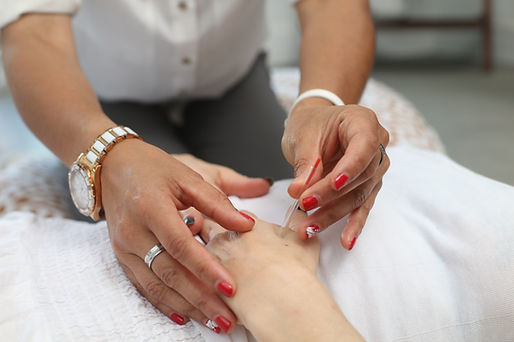
If you're looking for personalised support alongside the information in this Hub, A to Zen Therapies offers complementary wellbeing services that may support hormonal health alongside appropriate medical care.
Our therapies are designed to complement—not replace—the advice, diagnosis, or treatment provided by your GP, endocrinologist, gynaecologist, fertility specialist, or other appropriately qualified healthcare professionals.

Latest Articles from the Hormone Health Hub
Our Hub is updated regularly with new evidence-informed articles covering hormone health, fertility, menopause, metabolism, nutrition, stress, and healthy ageing.
Browse the latest additions to stay informed about current research and practical wellbeing strategies.


❓Frequently Asked Questions
Have a question about hormone health?
Below are answers to some of the most common questions readers ask about hormone balance, fertility, menopause, thyroid health, and metabolic wellbeing.
What are the signs of hormonal imbalance?
Symptoms vary depending on the hormones involved but may include fatigue, unexplained weight changes, irregular periods, mood changes, poor sleep, reduced libido, brain fog, acne, hair changes, or fertility difficulties. These symptoms can also have many other causes, so medical assessment may be needed.
Can stress affect hormone levels?
Yes. Chronic stress may influence cortisol production and can indirectly affect sleep, appetite, reproductive hormones, and overall wellbeing.
Are hormone problems only experienced during menopause?
No. Hormonal changes occur throughout life and may affect children, teenagers, adults, and older people. Puberty, pregnancy, thyroid disorders, PCOS, and certain medical conditions can all influence hormone health.
What tests can help assess hormone health?
Depending on symptoms, testing may include reproductive hormones, thyroid markers, blood sugar regulation, cholesterol, inflammatory markers and nutrient status.
Can nutrition support hormone health?
A balanced diet provides the nutrients needed for normal hormone production and overall health. While no single food can
"balance hormones," healthy dietary patterns may support metabolic and endocrine function.
Which healthcare professional should I see for hormone concerns?
Depending on your symptoms, you may wish to speak with your GP, endocrinologist, gynaecologist, fertility specialist, or another appropriately qualified healthcare professional.
Can lifestyle changes improve hormonal wellbeing?
Healthy habits such as regular exercise, adequate sleep, stress management, and good nutrition may support overall hormone function and complement medical treatment where appropriate.
About the A to Zen Therapies Team
At A to Zen Therapies, we are committed to providing clear, balanced, and evidence-informed health education.
Our team develops evidence-informed health content using peer-reviewed research, recognised clinical guidance, and trusted healthcare organisations. Every article is reviewed for scientific accuracy, clarity, balance, and relevance before publication.
Our aim is to help readers better understand complex health topics, ask informed questions, and feel confident discussing their concerns with qualified healthcare professionals.
Editorial & Medical Review Process
Every article within this Hub is developed using peer-reviewed research, clinical guidelines, and evidence-based health resources.
Before publication, content is reviewed for:
-
scientific accuracy
-
balance and transparency
-
readability and accessibility
-
alignment with current evidence
-
relevance to patient education
Articles are reviewed periodically and updated where appropriate to reflect significant developments in hormone health research.
To learn more about how we create and review our content, please read our Editorial Policy.
Trusted Health Resources
For readers who would like to explore hormone health in greater depth, we recommend the following organisations:
-
National Center for Complementary and Integrative Health (NCCIH)
-
Office on Women's Health (U.S. Department of Health & Human Services)
-
National Institute of Diabetes and Digestive and Kidney Diseases (NIDDK)
These organisations publish evidence-based information, clinical guidance, and ongoing research relating to hormone health and overall wellbeing.
Related Health Hubs
Continue exploring connected health topics through our evidence-informed Health Hubs below.


Important Health Information
The information within this Hub is provided for educational purposes only. It is not intended to diagnose, treat, cure, or prevent any medical condition and should not replace personalised advice from a qualified healthcare professional.
If you are experiencing persistent symptoms, significant hormonal changes, or concerns about your health, seek advice from your GP, endocrinologist, gynaecologist, or another appropriately qualified healthcare provider.
Continue Exploring the Hormone Health Hub
Hormone health is about more than understanding individual symptoms. It is about recognising how different systems within the body work together to support overall wellbeing throughout every stage of life.
Whether you're interested in fertility, menopause, thyroid health, metabolism, nutrition, stress management, or healthy ageing, this Hub brings together evidence-informed guidance to help you better understand your health and make informed decisions alongside your healthcare team.
Choose the topic most relevant to your needs and continue exploring trusted resources designed to support your health journey.
