

Men's Health
Hub
Last reviewed: July 2026
Next scheduled review: July 2027
Expert reviewed by: Monica Pineider, Founder of A to Zen Therapies, Fertility Reflexologist
Hormones, Fertility, Health & Wellbeing
Men's health is about much more than treating illness. Hormone balance, fertility, cardiovascular health, mental wellbeing, metabolism, physical activity, nutrition, sleep, and healthy ageing all work together to influence long-term health and quality of life.
Many common health concerns develop gradually. Persistent fatigue, reduced motivation, low libido, weight gain, poor sleep, fertility challenges, reduced exercise performance, or ongoing stress are sometimes dismissed as a normal part of getting older. In reality, these symptoms may reflect underlying health issues that deserve appropriate medical assessment and evidence-based support.
Taking a proactive approach to health can help identify potential problems earlier while supporting informed decisions about lifestyle, preventive healthcare, and treatment options where needed.
Whether you're looking to better understand testosterone, fertility, healthy ageing, nutrition, fitness, emotional wellbeing, or preventive health, this Hub brings together expert-reviewed, evidence-informed guidance designed to help you make informed decisions throughout every stage of adult life.
Browse This Hub
💪 Hormones, Testosterone & Energy
👨 Fertility & Reproductive Health
❤️ Sexual Health & Relationships
🧠 Mental Wellbeing, Stress & Resilience
⚖️ Weight Management, Fitness & Metabolic Health
🩺 Preventative Health & Long-Term Wellness
Use the sections below to explore the topics most relevant to your health goals, symptoms, lifestyle, or stage of life.
Why Men's Health Matters
Men's health is influenced by a combination of biological, lifestyle, psychological, and environmental factors. Hormones regulate far more than reproductive health—they also affect metabolism, muscle mass, bone health, mood, sleep, energy production, and cardiovascular wellbeing.
At the same time, everyday habits such as physical activity, nutrition, alcohol consumption, smoking, stress management, and sleep quality all contribute to long-term health outcomes.
Many of the most common conditions affecting men—including cardiovascular disease, type 2 diabetes, obesity, fertility problems, depression, and low testosterone—often develop gradually over many years. Recognising early symptoms and seeking appropriate medical advice can support earlier diagnosis, improve treatment options, and help reduce the risk of long-term complications.
Throughout this Hub you'll find evidence-informed guidance covering:
-
men's hormone health and testosterone
-
fertility and reproductive wellbeing
-
stress, resilience, and mental wellbeing
-
weight management and metabolic health
-
preventive healthcare and health screening
-
healthy ageing and maintaining long-term vitality
Our aim is to provide practical, evidence-informed education that supports informed conversations with healthcare professionals while helping men take a proactive approach to their overall health and wellbeing.
Hormones influence far more than reproductive health. To better understand how endocrine health affects energy, metabolism, sleep, fertility, mood, muscle health, and healthy ageing, explore our Hormone Health Hub, which provides evidence-informed guidance on hormone balance throughout adult life.
Why Trust This Hub?
Reliable health information should empower people to make informed decisions—not create unnecessary fear or unrealistic expectations.
At A to Zen Therapies, we develop educational content using peer-reviewed scientific research, recognised clinical guidelines, and publications from respected healthcare organisations. Every article is reviewed for scientific accuracy, balance, readability, and relevance before publication and updated periodically to reflect emerging evidence and best practice.
Men's health is a broad and evolving field that spans endocrinology, fertility, nutrition, mental health, cardiovascular medicine, sports medicine, and healthy ageing. Rather than focusing on isolated symptoms or quick fixes, this Hub takes a whole-person approach that recognises how different aspects of health influence one another.
Whether you're exploring lifestyle changes, looking for reliable information before speaking with a healthcare professional, or supporting someone else, our goal is to provide balanced, evidence-informed guidance that encourages informed decision-making and realistic expectations.
Who This Hub Is For
This Hub has been created for anyone who wants to better understand men's health through balanced, evidence-informed education.
You may find these resources helpful if you:
-
want to improve your overall health and wellbeing
-
are experiencing fatigue, low energy, or reduced motivation
-
have concerns about testosterone or hormone balance
-
are trying to improve male fertility or reproductive health
-
want to maintain a healthy weight and improve physical fitness
-
are looking for practical strategies to manage stress and support mental wellbeing
-
want to understand preventative health screenings and long-term health risks
-
are interested in healthy ageing and maintaining independence later in life
Our educational content is designed to support informed conversations with healthcare professionals rather than replace personalised medical advice, diagnosis, or treatment.
Our Approach to Men's Health
Good health is rarely determined by a single factor.
Hormones, nutrition, exercise, sleep, mental wellbeing, cardiovascular health, fertility, and preventative healthcare all work together to influence long-term health outcomes. Changes in one area can often affect several others, which is why a whole-person approach is important.
Throughout this Hub, we explore evidence-informed information covering hormone health, reproductive wellbeing, physical fitness, healthy ageing, nutrition, emotional wellbeing, and preventative healthcare. Rather than focusing on quick fixes or isolated symptoms, our goal is to help readers understand how lifestyle, medical care, and early intervention can work together to support lifelong health.
By combining current scientific evidence with practical health education, we aim to help men make informed decisions while recognising when assessment by a GP or another appropriately qualified healthcare professional may be appropriate.
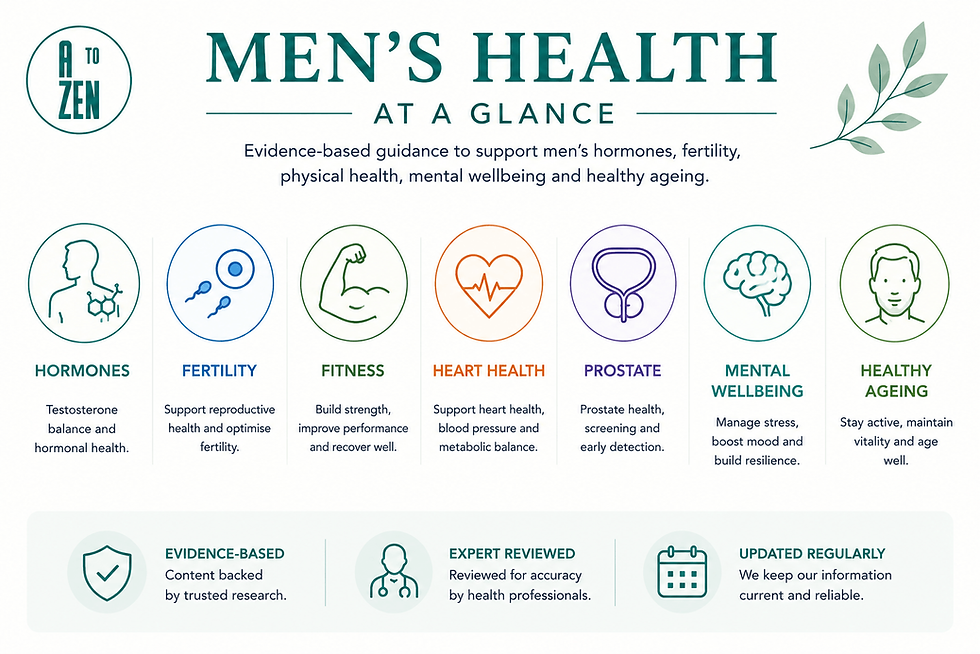
Men's health is influenced by hormones, nutrition, emotional wellbeing, lifestyle, and preventive healthcare. The infographic above highlights the key areas explored throughout this Hub, while the sections below provide evidence-informed guidance for every stage of life.
💪 Hormones, Testosterone & Energy
Hormones play a central role in regulating energy levels, metabolism, muscle mass, bone health, mood, sleep quality, sexual function, and overall wellbeing.
Although testosterone is often the focus of discussions about men's health, it works alongside many other hormones that influence physical and mental health throughout life. Ageing, stress, sleep quality, nutrition, chronic illness, medications, and lifestyle habits can all affect hormone balance and contribute to symptoms such as fatigue, reduced motivation, changes in body composition, or decreased exercise performance.
Understanding how hormones influence overall health can help men recognise potential concerns early and have more informed conversations with healthcare professionals about appropriate assessment and management.
Explore articles covering testosterone, hormone balance, nutrition, lifestyle, and practical strategies that support long-term health and wellbeing.
Featured Articles


👨 Male Fertility & Reproductive Health
Male fertility contributes to around half of all conception outcomes and is influenced by a wide range of factors including hormone balance, nutrition, physical health, age, stress, sleep quality, environmental exposures, and lifestyle habits.
Many causes of reduced fertility are potentially modifiable, making early assessment and healthy lifestyle changes valuable for men who are planning a family. Understanding sperm health, reproductive hormones, and overall wellbeing can help men make informed decisions while recognising when specialist fertility advice may be beneficial.
Whether you're preparing for pregnancy naturally or alongside assisted reproductive treatment, maintaining overall health remains an important part of supporting reproductive wellbeing.
Explore articles covering male fertility, sperm health, reproductive hormones, nutrition, and evidence-informed lifestyle strategies.
Featured Articles


❤️ Sexual Health & Relationships
Sexual health is an important part of overall wellbeing. It includes physical health, emotional wellbeing, healthy relationships, fertility, communication, and the prevention of sexually transmitted infections. Looking after sexual health involves more than treating problems—it also means understanding your body, practising safer sex, maintaining open communication with partners, and seeking professional advice when concerns arise.
Featured Articles


🧠 Mental Wellbeing, Stress & Resilience
Mental wellbeing is an essential part of men's overall health. Emotional wellbeing influences physical health, relationships, work performance, sleep quality, and long-term quality of life, while chronic stress can also affect hormone balance, cardiovascular health, immune function, and reproductive wellbeing.
Many men experience stress, anxiety, burnout, or low mood but may delay seeking support or underestimate the impact these challenges can have on everyday life. Recognising the signs early and developing healthy coping strategies can help build resilience and support both mental and physical wellbeing.
Healthy routines, regular physical activity, quality sleep, meaningful social connections, and timely professional support all play important roles in maintaining emotional health throughout life.
Explore articles covering stress management, resilience, emotional wellbeing, sleep, and practical strategies that support long-term mental health.
Featured Articles


⚖️ Weight Management, Fitness & Metabolic Health
Maintaining a healthy weight and staying physically active support far more than appearance. Healthy body composition contributes to cardiovascular health, hormone balance, metabolic function, mobility, mental wellbeing, and healthy ageing.
Nutrition, exercise, sleep, stress, and genetics all influence metabolism and long-term weight management. Sustainable lifestyle changes are generally more effective than short-term approaches, helping to improve overall health while reducing the risk of chronic disease.
Whether your goal is improving fitness, supporting metabolic health, or maintaining a healthy weight, evidence-informed lifestyle strategies remain the foundation of long-term success.
Explore articles covering weight management, metabolism, exercise, nutrition, and healthy lifestyle habits.
Featured Articles


🩺 Preventative Health & Long-Term Wellness
Preventative healthcare focuses on identifying potential health concerns early while supporting long-term physical and mental wellbeing.
Regular health assessments, evidence-based screening programmes, healthy lifestyle choices, and early intervention can help reduce the risk of many common conditions affecting men, including cardiovascular disease, type 2 diabetes, obesity, and certain cancers.
Preventative care also encourages men to understand personal risk factors, monitor changes in their health, and seek appropriate medical advice before symptoms begin affecting everyday life.
Explore articles covering health screening, nutrition, exercise, recovery, prevention, and long-term wellbeing.
Featured Articles


👴 Healthy Ageing & Longevity
Healthy ageing is about maintaining physical function, independence, cognitive health, emotional wellbeing, and quality of life throughout later adulthood.
While ageing naturally brings changes to hormone levels, metabolism, muscle mass, and cardiovascular health, many aspects of healthy ageing are influenced by everyday lifestyle choices. Regular physical activity, balanced nutrition, quality sleep, preventative healthcare, and social engagement all contribute to maintaining long-term vitality.
Rather than focusing solely on lifespan, healthy ageing aims to maximise healthspan—the number of years spent living independently, actively, and in good health.
Explore articles covering healthy ageing, vitality, nutrition, preventative healthcare, and evidence-informed lifestyle strategies that support long-term wellbeing.
Featured Articles


🌿 Related Services
If you're looking for personalised support alongside the information in this Hub, A to Zen Therapies offers complementary therapies that may support men's health, recovery, hormone balance, fertility, and overall wellbeing.
-
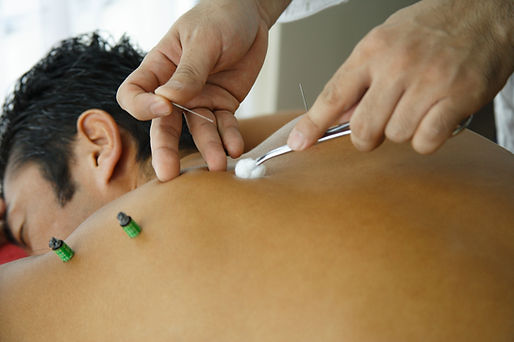
Fertility acupuncture – May support male reproductive health and complement a wider fertility plan by promoting overall wellbeing and helping manage stress.
-
Acupuncture – May help support musculoskeletal health, stress management, and general wellbeing as part of a healthy lifestyle.
-
Massage Therapy – Helps reduce muscular tension, encourage relaxation, and support physical recovery from everyday stresses.
-
Deep Tissue Massage – May improve mobility, reduce persistent muscular tightness, and support active lifestyles.
-
Sports Massage – Designed to support exercise recovery, reduce muscle soreness, and help maintain physical performance.
-
Cupping Therapy – Often used alongside massage to help relieve muscular tightness and support recovery following physical activity.
If appropriate, we may also recommend seeking advice from your GP, men's health specialist, endocrinologist, urologist, fertility specialist, dietitian, or another appropriately qualified healthcare professional.
Our therapies are designed to complement—not replace—professional medical advice, diagnosis, or treatment.
.

Latest Articles from the Men's Health Hub
Our editorial team regularly publishes evidence-informed articles covering men's health, fertility, hormone balance, nutrition, mental wellbeing, healthy ageing, exercise, and preventative healthcare.
As scientific understanding continues to evolve, we expand this Hub with practical resources that help readers make informed health decisions while supporting meaningful conversations with healthcare professionals.
Browse our latest articles to stay up to date with current research, healthy lifestyle strategies, and evidence-informed approaches to improving long-term health and wellbeing.


❓ Frequently Asked Questions (FAQs)
What are common signs of low testosterone?
Symptoms may include persistent fatigue, reduced libido, mood changes, reduced muscle mass, poor sleep, decreased motivation, and lower exercise performance. Because these symptoms can have many causes, they should always be assessed by an appropriately qualified healthcare professional.
Can lifestyle changes improve men's health?
Yes. Regular physical activity, balanced nutrition, good-quality sleep, stress management, limiting alcohol, avoiding smoking, and maintaining a healthy weight can all contribute to better long-term health.
Does stress affect testosterone?
Chronic stress may influence hormone balance, sleep quality, energy levels, mental wellbeing, and overall health. Managing stress is an important part of maintaining physical and emotional wellbeing.
How important is male fertility?
Male fertility contributes to around half of all conception outcomes. Sperm quality, hormone balance, lifestyle habits, nutrition, age, and general health all play important roles in reproductive wellbeing.
When should men consider preventative health screening?
Regular health assessments become increasingly important with age, family history, symptoms, or other personal risk factors. Early detection may help identify potential health concerns before symptoms become more serious.
About the A to Zen Therapies Editorial Team
Our editorial team is committed to providing clear, balanced, and evidence-informed health education that helps men make informed decisions about their wellbeing.
Content published within this Hub is developed using peer-reviewed scientific research, recognised clinical guidance, and publications from trusted healthcare organisations. Every article is reviewed for scientific accuracy, clarity, balance, and relevance before publication.
Men's health covers a wide range of interconnected topics, including hormone health, fertility, nutrition, mental wellbeing, cardiovascular health, physical activity, and healthy ageing. Through this Hub, our goal is to help readers better understand these connections while encouraging informed conversations with appropriately qualified healthcare professionals.
Editorial & Medical Review Process
Every article published within this Hub is developed using peer-reviewed research, recognised clinical guidelines, and evidence-informed educational resources.
Before publication, content is reviewed for:
-
scientific accuracy
-
balance and transparency
-
readability and accessibility
-
alignment with current evidence
-
relevance for patient education
As scientific understanding continues to evolve, our articles are reviewed periodically and updated where appropriate to reflect significant developments in men's health, fertility, endocrinology, nutrition, preventative healthcare, and healthy ageing.
To learn more about how we create, review, and maintain our educational content, please read our Editorial Policy.
Trusted Health Resources
For readers wishing to explore men's health in greater depth, we recommend the following organisations.
Men's Health & Preventative Care
-
NHS Health Information (NHS)
Hormone Health & Research
-
National Institutes of Health (NIH)
-
National Center for Complementary and Integrative Health (NCCIH)
Evidence-Based Medical Research
-
Cochrane Library
These organisations publish evidence-based information covering men's health, hormone balance, fertility, healthy ageing, nutrition, preventative healthcare, and long-term wellbeing.
Related Health Hubs
Continue exploring connected health topics through our evidence-informed Health Hubs below.


Important Health Information
The information provided within this Women's Health Hub is intended for educational purposes only. It should not be used as a substitute for professional medical advice, diagnosis, or treatment.
If you have concerns about your health, menstrual cycle, fertility, pregnancy, menopause, or any other medical condition, seek advice from your GP or another appropriately qualified healthcare professional.
If you experience severe symptoms or believe you require urgent medical attention, seek emergency medical care immediately.
Continue Exploring the Women's Health Hub
Women's health is shaped by many interconnected factors, including hormones, nutrition, emotional wellbeing, physical activity, preventative healthcare, and healthy ageing.
Whether you're managing menstrual symptoms, planning a family, navigating pregnancy or menopause, or simply looking to take a more proactive approach to your wellbeing, this Hub brings together expert-reviewed, evidence-informed guidance to support informed health decisions throughout every stage of life.
Start with the topic that best matches your current health goals and continue exploring evidence-informed resources designed to support lifelong health and wellbeing.
