

Dental Health
Hub
Last reviewed: July 2026
Next scheduled review: July 2027
Expert reviewed by: A to Zen Therapies Editorial Team
Oral Health, Prevention & Lifelong Wellbeing
Oral health is an important part of overall health and wellbeing.
Healthy teeth and gums support comfortable eating, speaking, confidence, and quality of life, while problems such as tooth decay, gum disease, jaw pain, and dental anxiety can affect people throughout every stage of life.
Many oral health conditions develop gradually. Regular dental care, effective oral hygiene, balanced nutrition, and early intervention can help prevent some problems or identify them before they become more difficult to manage.
Oral health is also connected with wider aspects of wellbeing. Health conditions, medications, nutrition, stress, ageing, and everyday habits can all influence the health of the mouth.
Understanding these connections can help people take a more proactive approach to dental health. From establishing healthy habits during childhood to adapting oral care routines later in life, prevention and informed decision-making play important roles in maintaining healthy teeth and gums.
Whether you're looking to improve your oral hygiene, protect your child's teeth, understand gum disease, manage TMJ symptoms, overcome dental anxiety, or learn more about dental treatments, this Dental Health Hub brings together expert-reviewed, evidence-informed guidance to support informed decisions about your oral health.
Browse This Hub
🪥 Oral Hygiene, Gum Health & Prevention
😬 TMJ Disorders, Jaw Pain & Oral Function
💙 Dental Anxiety & Emotional Wellbeing
🥗 Oral Health & Whole-Body Wellbeing
👴 Healthy Ageing & Long-Term Oral Care
Use the links above to explore the topics most relevant to your oral health concerns, stage of life, or healthcare needs.
Why Dental Health Matters
Dental health affects far more than the appearance of your smile.
Healthy teeth and gums support eating, speaking, comfort, confidence, and overall quality of life. Oral health problems can cause pain, difficulty eating, sleep disruption, and emotional distress and may become more difficult to manage when diagnosis or treatment is delayed.
Preventive care plays an important role throughout life. Regular dental examinations, appropriate oral hygiene, a balanced diet, and early assessment of symptoms can help identify potential problems and support long-term oral health.
Research has also identified associations between oral health and several aspects of general health. Shared risk factors, inflammation, health conditions, medications, nutrition, and lifestyle habits may all influence the relationship between oral and overall wellbeing.
Children, adults, and older people have different oral health needs. Establishing healthy habits early, adapting care throughout life, and seeking professional dental assessment when concerns arise can all contribute to healthier teeth and gums.
Throughout this Hub, you'll find evidence-informed guidance covering:
-
oral hygiene and preventive care
-
gum health
-
children's dentistry
-
common dental conditions and treatments
-
TMJ disorders and jaw pain
-
dental anxiety
-
nutrition and oral wellbeing
-
healthy ageing and long-term dental care
Understanding the factors that influence dental health can help you make informed decisions while recognising when professional assessment or treatment may be appropriate.
Oral health and nutrition are closely connected throughout life. Diet influences tooth decay, gum health, bone health, and overall wellbeing. Explore our Nutrition Hub to learn how healthy eating supports lifelong oral health.
Why Trust This Hub?
Dental information can be confusing, particularly when online advice includes unsupported treatment claims, exaggerated health benefits, or recommendations that do not reflect current clinical guidance.
At A to Zen Therapies, we believe people deserve clear, balanced, and trustworthy information that helps them better understand their oral health.
Articles published within this Hub are developed using peer-reviewed research, recognised clinical guidance, and publications from respected dental and healthcare organisations. Where research continues to evolve, we explain current understanding together with recognised limitations rather than presenting associations, emerging therapies, or early findings as established clinical facts.
We also recognise that dental health is highly individual. Symptoms that appear similar can have different underlying causes, and treatment recommendations may vary depending on age, medical history, medications, oral health, and individual circumstances.
Every article is reviewed periodically to help ensure it remains accurate, relevant, and aligned with current evidence and best practice.
To learn more about how we research, review, and maintain our educational content, please read our Editorial Policy.
Who This Hub Is For
This Hub has been created for anyone who wants to better understand dental health, oral hygiene, prevention, and lifelong oral wellbeing through balanced, evidence-informed education.
You may find these resources helpful if you:
-
want to improve your daily oral hygiene routine
-
are concerned about gum health or tooth sensitivity
-
support your child's dental health
-
want to understand common dental conditions and treatments
-
experience jaw pain, teeth grinding, or TMJ symptoms
-
feel anxious about visiting the dentist
-
want to understand how nutrition and lifestyle habits may influence oral health
-
are managing changing dental needs later in life
-
want reliable information before speaking with a dental professional
Our educational content is designed to support informed conversations with dentists and appropriately qualified healthcare professionals rather than replace personalised dental advice, diagnosis, or treatment.
Our Approach to Dental Health
Good dental health is built through prevention, early intervention, informed decision-making, and access to appropriate professional care.
Throughout this Hub, we take a whole-person approach to oral health. Our articles explore not only teeth and gums but also the connections between oral hygiene, nutrition, stress, ageing, medical conditions, medications, lifestyle habits, and overall wellbeing.
Rather than promoting quick fixes or a single treatment approach, we aim to help readers understand common dental concerns, available treatment options, preventive strategies, and when professional dental assessment may be appropriate.
We also recognise the importance of individual circumstances. Dental health needs can change throughout life, and recommendations may vary depending on age, general health, medical conditions, medications, previous dental treatment, and perso
🪥 Oral Hygiene, Gum Health & Prevention
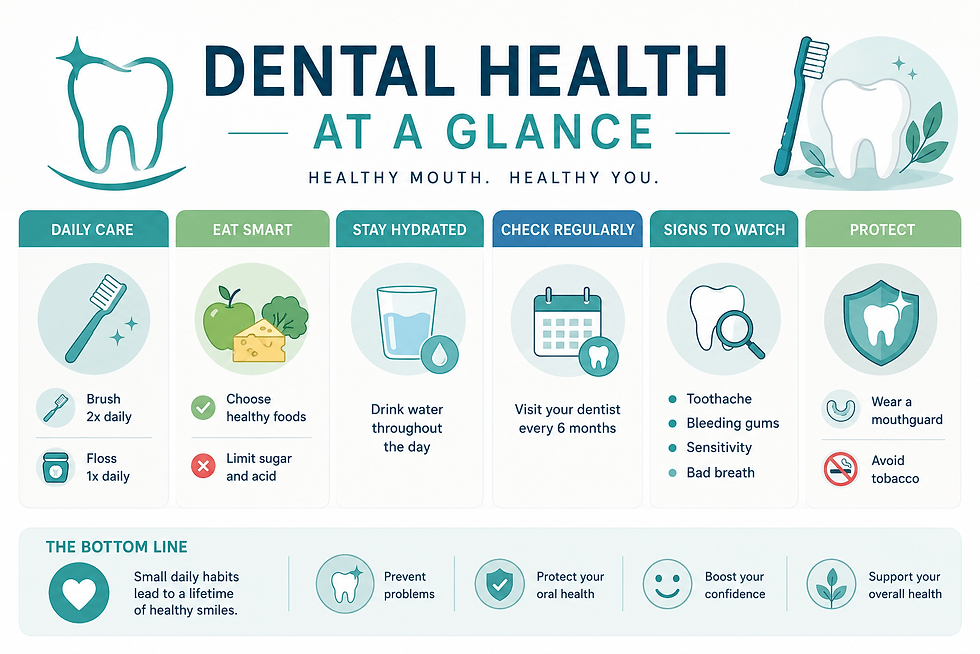
Healthy teeth and gums begin with consistent preventive care.
Daily brushing, interdental cleaning, appropriate fluoride use, regular dental examinations, and professional dental care where needed can help reduce the risk of common problems such as tooth decay and gum disease.
Gum health is particularly important because early gum disease may develop with few obvious symptoms. Bleeding, swelling, persistent bad breath, gum recession, and changes in tooth stability should be assessed by a dental professional.
Preventive dental care is not the same for everyone. Age, medical conditions, medications, diet, smoking, previous dental problems, and individual risk factors can all influence oral health needs.
Understanding how everyday habits affect teeth and gums can help people take practical steps towards maintaining good oral health throughout life.
Browse articles covering oral hygiene, gum disease, tooth sensitivity, toothpaste, preventive dentistry, and practical strategies that support healthy teeth and gums.
Featured Articles


👶 Children's Dental Health & Preventive Care
Healthy oral habits established during childhood can help support dental health throughout life.
Children’s teeth and mouths change rapidly as they grow. Baby teeth play important roles in eating, speaking, and maintaining space for developing permanent teeth, which is why preventive care should begin early.
Regular dental visits, age-appropriate brushing, appropriate fluoride use, and healthy eating habits can help reduce the risk of tooth decay and identify potential concerns before they become more difficult to manage.
Parents and caregivers also play an important role in helping children develop positive attitudes towards oral health.
Creating consistent routines, introducing dental visits early, and explaining treatments in an age-appropriate way may help children feel more comfortable receiving dental care.
Browse articles covering children’s oral hygiene, dental X-rays, preventive dentistry, healthy habits, and practical guidance that helps families support lifelong dental health.
Featured Articles


😬 TMJ Disorders, Jaw Pain & Oral Function
Jaw pain can affect eating, speaking, sleeping, and everyday quality of life.
The temporomandibular joints connect the lower jaw to the skull and work together with surrounding muscles, ligaments, and other structures to support jaw movement.
Temporomandibular disorders (TMDs) can involve the jaw joints, chewing muscles, or associated structures. Symptoms may include jaw pain, facial discomfort, clicking or popping sounds, limited movement, headaches, and difficulty chewing.
Jaw symptoms can have multiple contributing factors, and clicking alone does not necessarily indicate a condition requiring treatment. Persistent pain, restricted movement, injury, or symptoms that interfere with daily life should be assessed by an appropriately qualified healthcare or dental professional.
Management varies depending on the individual and may include education, self-care strategies, dental assessment, physical therapy, medical treatment, or other approaches based on the underlying cause.
Browse articles covering TMJ disorders, jaw pain, teeth grinding, facial discomfort, stress, and evidence-informed approaches to managing symptoms.
Featured Articles


💙 Dental Anxiety & Emotional Wellbeing
Fear and anxiety about dental treatment are common and can affect both children and adults.
Some people experience mild nervousness before an appointment, while others may avoid dental care for long periods because of intense anxiety or fear. Previous negative experiences, concerns about pain, loss of control, embarrassment, or uncertainty about treatment can all contribute to dental anxiety.
Delaying necessary dental care may allow oral health problems to become more difficult to manage. Understanding anxiety triggers and communicating concerns with the dental team can help create a more supportive treatment experience.
Strategies may include discussing treatment in advance, agreeing on communication signals, using relaxation techniques, attending gradual introductory appointments, or seeking additional professional support when anxiety is severe.
Browse articles covering dental anxiety, stress, emotional wellbeing, communication, and practical strategies that may help people feel more confident accessing dental care.
Featured Articles


🥗 Oral Health & Whole-Body Wellbeing
The mouth is an important part of the body, and oral health can be influenced by wider health and lifestyle factors.
Research has identified associations between oral health and several aspects of general health. These relationships are complex and may involve shared risk factors, inflammation, medical conditions, medications, nutrition, smoking, alcohol use, and access to healthcare.
For example, some health conditions can affect oral health, while medications may contribute to problems such as dry mouth. Difficulty chewing may influence food choices and nutrition, and stress can affect oral hygiene habits, jaw tension, and teeth grinding.
Maintaining good oral health is therefore an important part of supporting comfort, nutrition, confidence, and quality of life.
However, associations between oral and general health should be interpreted carefully and do not necessarily demonstrate that one condition directly causes another.
Browse articles exploring the relationship between oral health, nutrition, stress, medical conditions, lifestyle factors, and overall wellbeing.
Featured Articles


👴Healthy Ageing, Teeth & Long-Term Oral Care
Oral health needs can change throughout life.
Older adults may experience a higher risk of gum disease, tooth loss, dry mouth, dental decay, and difficulties maintaining oral hygiene. Medical conditions, reduced mobility, changes in dexterity, and some medications may also influence dental health.
Maintaining healthy teeth and gums can support comfortable eating, communication, confidence, nutrition, and overall quality of life throughout later years.
Ageing itself does not make poor oral health inevitable. Regular dental care, appropriate daily oral hygiene, management of dry mouth, and early assessment of new symptoms can all contribute to maintaining oral health.
Family members and caregivers may also play an important role in supporting oral hygiene and access to professional dental care for older adults who need additional assistance.
Browse articles covering oral health during ageing, gum care, dry mouth, tooth loss, preventive care, and practical strategies that support lifelong dental wellbeing.
Featured Articles


🌿 Related Services
If you're looking for personalised wellbeing support alongside the information in this Hub, A to Zen Therapies offers complementary therapies that may support relaxation, jaw comfort, stress management, and overall wellbeing.
Our therapies are designed to complement—not replace—the advice, diagnosis, or treatment provided by dentists, dental hygienists, oral surgeons, orthodontists, GPs, or other appropriately qualified healthcare professionals.

Latest Articles from the Dental Health Hub
Our editorial team regularly publishes new evidence-informed articles covering oral hygiene, gum health, children’s dentistry, common dental conditions, TMJ disorders, dental anxiety, nutrition, and lifelong oral care.
As dental research and clinical guidance continue to evolve, we expand this Hub with practical resources that help readers better understand oral health while supporting informed conversations with dental and healthcare professionals.
Browse the latest articles to stay informed about preventive care, dental treatments, oral health conditions, and practical strategies that support healthy teeth and gums throughout life.
❓Frequently Asked Questions (FAQs)
Have a question about dental health?
Below are answers to some of the most common questions readers ask about oral hygiene, gum health, dental conditions, preventive care, TMJ disorders, and lifelong dental wellbeing.
Why is dental health important?
Good dental health supports comfortable eating, speaking, confidence, and quality of life.
Healthy oral hygiene habits and regular professional dental care can help prevent or identify problems such as tooth decay and gum disease. Oral health can also be influenced by wider factors, including medical conditions, medications, nutrition, stress, smoking, and ageing.
How can I keep my teeth and gums healthy?
Good oral health generally involves brushing regularly with an appropriate fluoride toothpaste, cleaning between the teeth, maintaining a balanced diet, avoiding tobacco, and attending dental examinations according to individual needs.
Your dentist or dental hygienist can provide personalised advice based on your age, oral health, medical history, and individual risk factors.
What are common signs of gum disease?
Possible signs of gum disease include:
-
bleeding gums
-
red or swollen gums
-
persistent bad breath
-
gum recession
-
changes in the way teeth fit together
-
loose teeth
Early gum disease may cause few noticeable symptoms, which is one reason regular dental examinations are important.
Can stress affect dental health?
Yes.
Stress may influence oral health in several ways. Some people grind or clench their teeth, experience increased jaw tension, neglect their usual oral hygiene routines, or develop lifestyle habits that may negatively affect dental health.
Stress can also influence sleep and emotional wellbeing, which may make existing pain or discomfort more difficult to manage.
What causes TMJ disorders?
Temporomandibular disorders can involve the jaw joints, chewing muscles, and associated structures.
Symptoms may be influenced by several factors, including injury, jaw muscle tension, teeth grinding or clenching, and some joint conditions. Because jaw pain can have different causes, persistent or worsening symptoms should be professionally assessed.
How often should I visit a dentist?
There is no single schedule that is appropriate for everyone.
The recommended frequency of dental examinations depends on individual oral health needs and risk factors. Some people may require more frequent monitoring, while others may be advised to attend less often.
Your dentist can recommend an appropriate recall interval based on your individual circumstances.
Can nutrition affect oral health?
Yes.
Diet can influence both teeth and gums. Frequent consumption of foods and drinks containing free sugars can increase the risk of tooth decay, while overall dietary quality may influence oral and general health.
Difficulty chewing, tooth loss, or oral discomfort may also affect food choices and nutritional intake.
When should I seek professional dental advice?
Seek advice from a dental professional if you experience persistent tooth or jaw pain, swelling, bleeding gums, loose teeth, ongoing sensitivity, mouth ulcers that do not heal, or other unexplained changes in your mouth.
Urgent dental or medical assessment may be necessary for severe swelling, significant facial trauma, uncontrolled bleeding, or symptoms that affect breathing or swallowing.
About the A to Zen Therapies Editorial Team
At A to Zen Therapies, we are committed to providing clear, balanced, and evidence-informed health education that helps people make informed decisions about their wellbeing.
Our editorial team develops educational content using peer-reviewed scientific research, recognised clinical guidance, and publications from trusted healthcare organisations. Every article is reviewed for scientific accuracy, clarity, balance, and relevance before publication.
Through our work with clients, we regularly receive questions about injury recovery, mobility, chronic pain, massage therapy, exercise programmes, healthy ageing, and rehabilitation. These real-world questions help shape the educational topics covered throughout this Hub while ensuring our content remains practical, relevant, and patient-focused.
Our goal is not to replace professional medical advice but to help readers better understand exercise, rehabilitation, and physical health while supporting informed conversations with qualified healthcare professionals.
Editorial & Medical Review Process
Every article published within this Hub is developed using peer-reviewed research, recognised clinical guidelines, and evidence-informed healthcare resources.
Before publication, content is reviewed for:
-
scientific accuracy
-
balance and transparency
-
readability and accessibility
-
alignment with current evidence
-
relevance for patient education
Where research continues to evolve, we explain current understanding together with important limitations rather than presenting early findings as established medical fact.
Articles are reviewed periodically and updated where appropriate to reflect significant developments in rehabilitation science, exercise medicine, musculoskeletal health, sports medicine, and healthy ageing.
To learn more about how we create, review, and maintain our educational content, please read our Editorial Policy.
Trusted Health Resources
For readers wishing to explore exercise, rehabilitation, and physical health in greater depth, we recommend the following organisations:
Rehabilitation & Physiotherapy
Public Health
-
National Health Service (NHS)
Evidence-Based Research
These organisations publish evidence-based information covering rehabilitation, physical activity, musculoskeletal health, sports medicine, injury prevention, and healthy ageing.
Related Health Hubs
Exercise and rehabilitation are closely connected with many other aspects of health and wellbeing.
Continue exploring connected health topics through our evidence-informed Health Hubs below.


Important Health Information
The information provided within this Dental Health Hub is intended for educational purposes only. It should not be used as a substitute for professional dental or medical advice, diagnosis, or treatment.
If you have concerns about your teeth, gums, jaw, or oral health, seek advice from a dentist or another appropriately qualified healthcare professional.
Persistent tooth pain, swelling, bleeding gums, loose teeth, unexplained changes in the mouth, or symptoms that interfere with eating, sleeping, or everyday activities should be professionally assessed.
Seek urgent dental or medical attention for severe facial swelling, significant trauma, uncontrolled bleeding, or symptoms that affect breathing or swallowing.
Continue Exploring the Dental Health Hub
Good dental health is built through consistent oral hygiene, preventive care, early assessment, and informed decision-making.
Whether you’re looking to protect your teeth and gums, support your child’s dental health, understand a dental condition, manage jaw pain, overcome dental anxiety, or maintain good oral health throughout later life, this Hub brings together expert-reviewed, evidence-informed guidance designed to help you make informed decisions.
Choose the topic that best reflects your oral health concerns, stage of life, or information needs, and continue exploring trusted resources that support healthy teeth, healthy gums, and lifelong oral wellbeing.
