top of page

A Note to Our Readers: Our health blog sometimes features articles from third-party contributors. We share ideas and inspiration to guide your wellness journey—but remember, it’s not medical advice. If you have any health concerns or ongoing conditions, always consult your physician first before starting any new treatment, supplement, or lifestyle change.

How Clothing Choices Can Support Everyday Wellbeing

Writer: Monica Pineider
Monica Pineider
1 hour ago
9 min read

Person wearing comfortable layered clothing for an active daily routine
Clothing that suits the body and activity can reduce avoidable pressure and distraction.

Clothing is usually discussed in terms of appearance, but what we wear also affects movement, temperature regulation, skin comfort and participation in everyday activities. A restrictive waistband, irritating seam or poorly fitting pair of shoes can turn an ordinary working day into an uncomfortable one.


Thoughtful clothing choices will not treat a medical condition, but they can remove avoidable sources of friction and make daily routines more manageable. The goal is not to identify a universally “healthy” wardrobe. It is to choose clothes that work with your body, activities and personal preferences.


Quick Answer


Clothing can support everyday wellbeing when it allows comfortable movement, manages temperature, reduces skin irritation and reflects the wearer’s identity. Fit, fabric, footwear and accessibility matter more than labels or trends. Persistent pain, swelling or skin symptoms should be assessed professionally.


Key Takeaways


  • Clothing comfort is individual and may change with activity, climate and health.

  • Fit should support movement without creating pressure, rubbing or restriction.

  • Fabric, seams, fasteners and laundry products can affect sensitive skin.

  • Appropriate footwear may reduce pressure and make walking more comfortable.

  • Adaptive clothing can support independence, dignity and participation.

  • Clothes may influence confidence, but they cannot resolve serious body-image concerns alone.

  • Persistent symptoms require professional assessment rather than repeated wardrobe

    changes.


Table of Contents


Why Clothing Comfort Matters


Clothing remains in contact with the body for much of the day. Its effects can therefore accumulate, even when the initial discomfort seems minor.


A rough seam may become increasingly irritating during a long commute. A stiff waistband can feel acceptable while standing but uncomfortable after several hours at a desk. Clothing that traps heat may become distracting during exercise or warm weather.


Comfort also affects whether people take part in activities. If clothing makes bending, walking or sitting difficult, a person may move less or avoid certain situations altogether.

Research into clothing and physical disability has identified comfort, fit, independence, dignity and participation as important design considerations. pubmed.ncbi.nlm.nih.gov


However, comfort cannot be judged from the fabric label alone. The same material may feel soft to one person and irritating to another. Cut, construction, temperature, laundry products and individual skin sensitivity all influence the experience.


How Fit Affects Movement


Clothing should accommodate the movements required by the activity. That does not always mean choosing loose garments. Some people prefer supportive, close-fitting clothes that remain securely in place. Others need roomier designs that do not press on joints, surgical sites or sensitive areas.


Before relying on a new garment for an entire day, try a simple movement check:


  • Sit down for several minutes.

  • Raise both arms comfortably.

  • Bend or squat without forcing the movement.

  • Walk up and down stairs.

  • Check whether the waistband rolls or digs in.

  • Notice whether seams rub under the arms or between the legs.

  • Confirm that fasteners are easy to operate.

  • Check that the garment stays secure without constant adjustment.


The clothing required for desk work may differ from what feels comfortable during walking, gardening, exercise or manual work. Building a wardrobe around your actual routine is usually more useful than buying for an imagined lifestyle.


Expert Tip: Test clothing near the end of the day as well as in the morning. Temperature, activity and natural changes in the body can alter how a garment fits and feels.


Fabric, Heat and Sensitive Skin


Fabric choice can affect heat, moisture and friction. Lightweight, breathable layers may help some people regulate temperature, while smooth construction and flat seams may reduce rubbing.


People with eczema or sensitive skin may react to particular fabrics, dyes, detergents, metal fasteners or finishing chemicals. The American Academy of Dermatology notes that clothing dye and chemicals used in some fabrics can contribute to allergic contact dermatitis in susceptible people. aad.org


The NHS describes contact dermatitis as a type of eczema triggered by contact with a particular substance. Symptoms can include itching, blistering, dryness and cracking. NHS


Practical adjustments may include:


  • Washing new clothes according to their care instructions before wearing them

  • Choosing garments with smooth or covered seams

  • Removing scratchy labels carefully

  • Wearing breathable layers that can be added or removed

  • Avoiding repeatedly irritating fabrics

  • Checking metal buttons, zips and belt buckles if nickel sensitivity is suspected

  • Reviewing detergents and fabric conditioners when irritation appears after laundering


Natural fibres are not automatically suitable for every person. Wool, for example, can feel irritating even though it is natural, while some synthetic fabrics may feel smooth and comfortable. Personal response matters more than broad marketing claims.


Myth vs Fact


Myth: Natural fabric is always healthier for the skin.

Fact: Skin responses are individual. Fibre type, weave, dyes, finishes, seams, moisture and laundry products may all affect comfort. A fabric being natural does not guarantee that it will be non-irritating.


Why Footwear Deserves Attention


Footwear affects far more than appearance. Shoes that are too tight, unstable or poorly suited to an activity can contribute to rubbing, pressure and foot pain.


Guidance from Guy’s and St Thomas’ NHS Foundation Trust recommends considering toe-box depth, shoe length, width, fastening, sole cushioning and breathable upper materials when choosing footwear.


Narrow or pointed shoes can compress the toes, while adjustable laces or straps help hold the foot securely without requiring the toes to grip the shoe. guysandstthomas.nhs.uk


Footwear comfort checklist

Feature

What to check

Length

Toes should not press against the front

Width

The shoe should not squeeze the forefoot

Toe box

There should be room for the toes to move

Fastening

Laces or adjustable straps should hold the foot securely

Sole

Choose cushioning and stability appropriate to the activity

Upper material

Consider ventilation, flexibility and pressure points

Heel

It should feel stable and appropriate for the time spent standing or walking


No shoe design works for every foot. People with diabetes, arthritis, reduced sensation, persistent pain or a history of foot problems may require individual advice from a podiatrist or another qualified healthcare professional.


Accessible clothing fastener designed to make independent dressing easier
Adaptive features can support comfort, dignity and independence for people with different physical needs.

Adaptive Clothing and Accessibility


Standard clothing can create avoidable barriers for people with limited dexterity, pain, fatigue, mobility restrictions, sensory sensitivities or changing health needs.


Adaptive garments may include:


  • Magnetic or hook-and-loop fasteners

  • Larger zip pulls

  • Side-opening trousers

  • Wider necklines

  • Seated-wear cuts

  • Flat seams and tag-free construction

  • Discreet openings for medical devices

  • Adjustable waistbands

  • Easy-access footwear


These features are not simply matters of convenience. Appropriate clothing can support privacy, dignity and independence with dressing. Research into apparel and physical disability has found that unsuitable clothing can interfere with participation in meaningful activities, while adaptive design may reduce practical barriers. pubmed.ncbi.nlm.nih.gov


Adaptive clothing should still reflect personal taste. Accessibility does not require someone to give up colour, style, cultural expression or individuality. The best design allows function and self-expression to coexist.


This principle aligns with a wider approach to wellbeing in which routines should fit the individual. Our guide to wellness without pressure explains why sustainable self-care begins with listening to the body instead of following rigid expectations.


Clothing, Identity and Body Confidence


Clothing can communicate culture, creativity, profession, gender expression or membership of a community. Wearing clothes that feel authentic may help someone feel more at ease in social or professional environments.


However, clothing and confidence have a complicated relationship. An outfit may provide temporary reassurance, but no purchase can resolve persistent shame, anxiety or distress about appearance.


A healthier approach is to choose clothing that:


  • Fits the body you have now

  • Supports the activities you value

  • Feels consistent with your identity

  • Does not require pain or restriction to look acceptable

  • Reduces unnecessary comparison with idealised online images


Our guide to body confidence beyond physical appearance explores why lasting confidence is usually supported by overall health, emotional wellbeing and self-acceptance rather than appearance alone.


If body-image concerns begin affecting eating, exercise, relationships, work or willingness to leave home, consider speaking with a qualified mental health professional or doctor.


Clothing can support comfort and expression, but significant distress deserves appropriate care.


Building a More Comfortable Wardrobe


Improving clothing comfort does not require replacing everything you own. Begin by identifying the items you repeatedly choose—and those you regularly avoid.


Step 1: Identify the actual problem


Instead of deciding that an entire garment is uncomfortable, determine why:


  • Is the fabric rough?

  • Does a seam rub?

  • Is the waistband restrictive?

  • Does the garment trap heat?

  • Are the fasteners difficult to manage?

  • Does it limit a particular movement?

  • Does the problem appear only after washing?


Step 2: Match clothes to activities


Divide everyday clothing according to real requirements, such as:


  • Working at a desk

  • Standing for long periods

  • Travelling or commuting

  • Exercising

  • Gardening or household tasks

  • Resting at home

  • Attending social occasions


An item that works well for one purpose may be unsuitable for another.


Step 3: Test before committing


Wear a new garment at home for a short period before relying on it during a full working day or important event. Move, sit and check how it feels as your body warms.


Step 4: Make small alterations


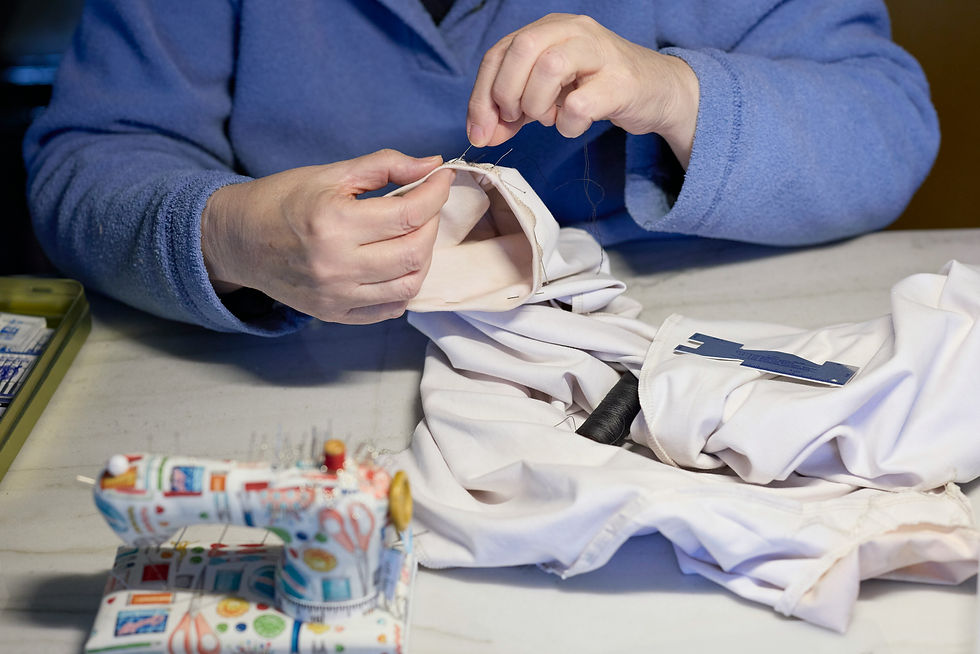
A tailor may be able to adjust a waistband, shorten a hem, reposition a fastener or remove an irritating label. Small changes can make an otherwise suitable garment much easier to wear.


Step 5: Record what works


Take note of useful characteristics rather than depending only on brand or size:


  • The cut that allows comfortable shoulder movement

  • The rise that feels best when sitting

  • The seam style that does not rub

  • The shoe shape that accommodates the toes

  • The layering system that manages temperature changes


Sizing is inconsistent between manufacturers. How a garment fits and functions is more informative than the number on its label.


A Practical Clothing and Wellbeing Check

Area

Questions to ask

Fit

Can I sit, bend and walk without pressure or pulling?

Skin

Does the fabric, seam, dye or fastener cause irritation?

Temperature

Can I add or remove layers easily?

Footwear

Do my shoes accommodate my foot shape and activity?

Accessibility

Can I dress and undress without unnecessary strain?

Confidence

Does this feel like my choice rather than an external demand?

Function

Does the clothing suit what I will actually do today?


When Clothing Discomfort Needs Medical Advice


Changing clothing may help when irritation is mild and clearly connected to a particular garment. It should not be used to self-diagnose symptoms.


Seek professional advice if you experience:


  • A persistent or recurring rash

  • Blistering, broken skin or signs of infection

  • Significant swelling

  • Numbness or altered sensation

  • Foot pain that affects walking

  • Joint pain made worse by ordinary movement

  • Unexplained sensitivity that continues after changing clothing

  • Body-image distress that affects eating, relationships or daily functioning


A clinician may need to consider dermatitis, infection, nerve problems, circulation concerns, allergies or another underlying condition. The cause may not be the garment itself.


Sharing Responsible Fashion and Health Information


The relationship between clothing and wellbeing gives health writers, therapists, disability advocates and fashion professionals useful opportunities to collaborate. Strong content should distinguish evidence-informed health guidance from personal style advice and avoid suggesting that a particular garment can treat a medical condition.


Writers placing fashion-and-wellbeing content on external websites should also assess the publisher’s audience, editorial standards and review process. This comparison of guest-posting marketplaces and freelancers outlines practical differences involving publisher selection, pricing and payment arrangements.


People researching free fashion guest posts should still evaluate whether a website reaches an appropriate audience and publishes responsible material. Osdire’s guide to fashion guest-posting sites discusses factors such as site metrics and potential costs. These indicators can inform outreach decisions, although they do not independently prove editorial quality, health accuracy or audience trust.


Final Thoughts


Clothing is only one component of wellbeing, but it is present throughout much of everyday life. Fit, fabric, footwear and accessibility can influence comfort, movement, skin and participation in activities.


The most supportive wardrobe is not necessarily expensive or fashionable. It is one that fits the person wearing it, accommodates the way they move and helps them participate in daily life without avoidable discomfort.


Begin with observation. Notice which clothes allow you to forget about what you are wearing—and which demand constant adjustment. Those small signals can guide more practical, personal and sustainable choices.


Frequently Asked Questions


Can tight clothing affect comfort?


Yes. Clothing that creates persistent pressure or restricts movement may cause rubbing, discomfort or difficulty moving freely. Severe or continuing symptoms should be assessed rather than attributed to clothing alone.


Which fabric is best for sensitive skin?


There is no universally suitable fabric. Many people prefer smooth, breathable materials, but personal reactions vary. Fabric finishes, dyes, seams and laundry products can also contribute to irritation.


Should new clothes be washed before wearing?


Washing garments according to their care instructions may remove some loose dye, surface residue or finishing products. However, washing does not guarantee that a garment will be suitable for sensitive skin.


Can clothing improve body confidence?


Clothing that feels comfortable and reflects personal identity may help someone feel more at ease. Lasting body confidence, however, is influenced by emotional wellbeing, experiences, relationships and broader self-perception.


What is adaptive clothing?


Adaptive clothing is designed to make dressing and movement easier. It may use alternative fasteners, adjustable openings, flat seams or seated-wear construction to accommodate mobility, dexterity, sensory or medical needs.


When should foot pain be professionally assessed?


Seek advice when pain is persistent, worsening, associated with swelling or numbness, or interfering with walking and everyday activities. People with diabetes or reduced foot sensation should seek individual clinical guidance.


References


Recent Posts

About the Author​


Monica Pineider is the author of the A to Zen Therapies health blog and founder of a Central London wellness clinic. She specialises in massage therapy and holistic treatments, drawing on professional experience since 2009 in reflexology, shiatsu, and deep tissue massage.


She trained in Thailand and Bali in traditional massage techniques before continuing advanced hands-on study in London across multiple therapy disciplines. This international and clinical background has shaped the approach and philosophy of A to Zen Therapies.


Monica oversees the editorial direction of every article published on the blog, including content written or contributed to by external specialists in areas beyond the clinic’s direct clinical experience. All content is reviewed to ensure clarity, accuracy, and alignment with our editorial standards.


She shares practical, experience-based insights to support relaxation, recovery, and everyday wellbeing.

​

​

⚠️ Medical Disclaimer


The information provided on this website is for educational and informational purposes only and is not intended as medical advice, diagnosis, or treatment.


Always seek the advice of your physician, qualified healthcare provider, or other licensed medical professional regarding any medical condition, symptoms, or treatment options. Do not disregard professional medical advice or delay seeking it because of information you have read on this website.


A to Zen Therapies and its contributors provide information for general informational purposes only and may not reflect individual medical circumstances. Individual results from wellness practices, supplements, or natural therapies may vary.


If you are pregnant, nursing, taking medication, or have a pre-existing health condition, consult a qualified healthcare professional before starting any new wellness routine, supplement, or therapy.


Use of this website and its content is at your own risk.

​

​

Editorial Note

​

This article has been reviewed in accordance with A to Zen Therapies’ Editorial Policy to ensure accuracy, clarity, and responsible, experience-based wellness information.

bottom of page