top of page

A Note to Our Readers: Our health blog sometimes features articles from third-party contributors. We share ideas and inspiration to guide your wellness journey—but remember, it’s not medical advice. If you have any health concerns or ongoing conditions, always consult your physician first before starting any new treatment, supplement, or lifestyle change.

Body Confidence: Why It's About More Than Physical Appearance

  • Writer: Monica Pineider
    Monica Pineider
  • 2 hours ago
  • 8 min read

Medically Reviewed by: The Clinical Team at A to Zen Therapies


A person standing confidently outdoors with arms raised, representing strength, movement and body confidence.


Quick Answer


Body confidence is about much more than physical appearance. While cosmetic treatments may help some people feel more comfortable with certain aspects of their appearance, lasting confidence is usually built through a combination of physical health, emotional wellbeing, positive self-image and sustainable self-care habits. Focusing on overall wellbeing rather than perfection creates a healthier and more resilient sense of confidence.


Key Takeaways


✔ Body confidence is closely linked to physical, emotional and mental wellbeing.

✔ Appearance alone rarely creates lasting self-confidence.

✔ Healthy habits such as exercise, good nutrition, quality sleep and stress management all support positive body image.

✔ Cosmetic treatments can complement—but should not replace—a balanced approach to self-care.

✔ Confidence grows through self-acceptance, realistic expectations and caring for both body and mind.


Table of Contents


What Is Body Confidence?


Body confidence is the ability to appreciate, respect and feel comfortable in your body, regardless of whether it perfectly matches social ideals or current beauty trends.


Rather than striving for perfection, body confidence reflects a healthy relationship with your physical appearance and an appreciation for everything your body allows you to do each day—from moving and exercising to working, caring for others and enjoying everyday experiences.


Although many people associate confidence with appearance alone, research suggests that body confidence is influenced by multiple factors, including physical health, emotional wellbeing, self-esteem, social experiences and lifestyle habits.


Developing body confidence is therefore less about achieving a particular look and more about building a positive relationship with yourself over time.


Body confidence is closely linked to wellbeing. Research suggests that positive body image is associated with improved psychological wellbeing, healthier lifestyle behaviours and greater self-esteem. In contrast, persistent body dissatisfaction may contribute to stress, anxiety, low mood and reduced quality of life. Supporting both physical and emotional health plays an important role in developing lasting confidence.


Why Appearance Alone Doesn't Create Confidence


Many people believe that changing one aspect of their appearance will automatically make them feel more confident.


For some individuals, achieving a personal aesthetic goal can improve self-esteem.


However, confidence that depends entirely on appearance often remains fragile because it is influenced by changing circumstances, social comparison and unrealistic expectations.


Lasting confidence tends to develop through daily experiences rather than dramatic transformations.


Feeling physically strong.

Managing stress effectively.

Sleeping well.

Building meaningful relationships.

Looking after your health.


These everyday habits often have a greater long-term impact on confidence than appearance alone.


Rather than asking, "How do I look?", it can be more helpful to ask:

"How do I feel?"


This small shift in perspective encourages people to value health, comfort and wellbeing alongside appearance.


⭐ Clinical Insight


Confidence grows through experience—not perfection


Many people wait until they feel they have reached a particular weight, appearance or milestone before allowing themselves to feel confident. In reality, confidence often develops by consistently engaging in healthy behaviours, celebrating progress and recognising personal strengths rather than waiting to become "perfect."


The Connection Between Physical and Emotional Wellbeing


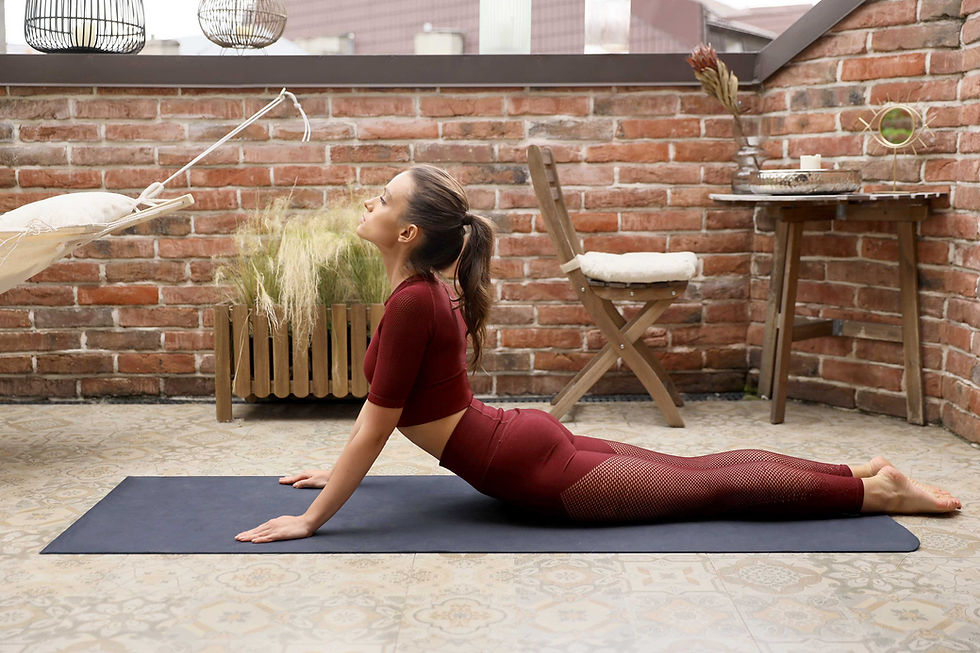
Woman in burgundy workout clothes doing cobra pose on a yoga mat in a brick-walled patio, calm and focused.

Physical and emotional wellbeing influence one another in powerful ways.


Regular movement, balanced nutrition, restorative sleep and effective stress management all contribute to improved energy levels, mood and overall quality of life. As people begin to feel healthier, they often notice positive changes in the way they perceive themselves.


Chronic stress can have the opposite effect.


When people feel overwhelmed or emotionally exhausted, they may become more self-critical, focus excessively on perceived flaws or compare themselves more frequently with others.


Supporting emotional wellbeing therefore becomes an important part of improving body confidence.


Activities that encourage relaxation—including mindfulness, time in nature, regular physical activity and therapeutic treatments—can all help reduce stress while promoting a healthier relationship with the body.


⭐ Expert Tip


Focus on what your body can do


Instead of judging your body only by its appearance, try recognising its abilities.


Celebrate improvements such as:


  • Walking further

  • Feeling stronger

  • Sleeping better

  • Recovering after exercise

  • Having more energy throughout the day


These achievements often build more sustainable confidence than focusing solely on appearance.


Can Cosmetic Treatments Improve Body Confidence?


Modern aesthetic treatments such as dermal fillers can help address concerns that have affected someone's confidence for many years.


For example, some people choose treatments to improve skin quality, reduce the appearance of scars or refine areas of the body that have remained resistant to healthy eating and regular exercise.


For carefully selected individuals with realistic expectations, these treatments may contribute to improved confidence and satisfaction with their appearance.


However, cosmetic procedures are most effective when viewed as part of a broader approach to wellbeing rather than as a complete solution to low self-esteem.


If underlying emotional wellbeing, chronic stress or unrealistic expectations remain unaddressed, physical changes alone may not lead to lasting confidence.


For this reason, many healthcare professionals encourage combining aesthetic treatments with healthy lifestyle habits and appropriate emotional support where needed.


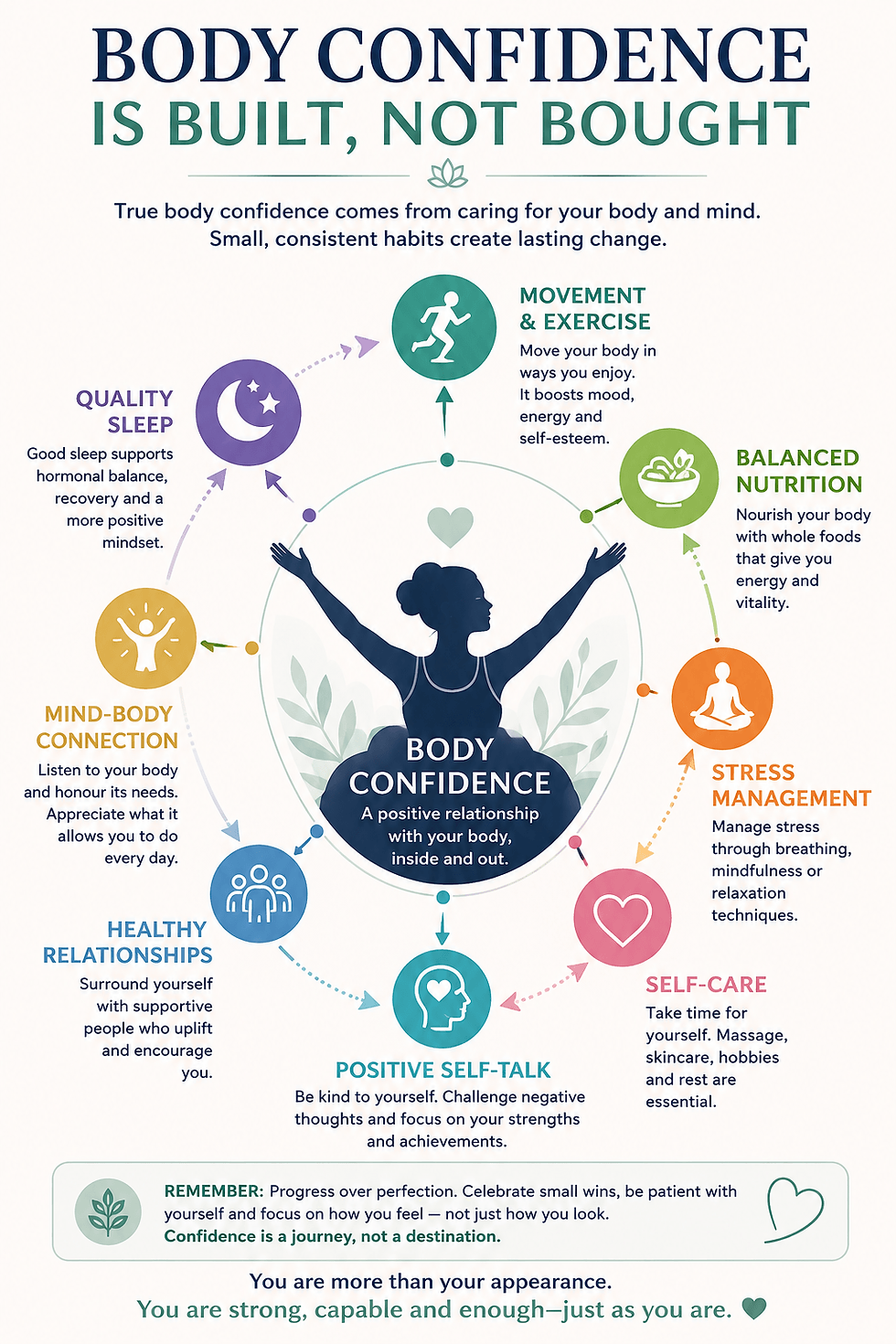
Infographic reading Body Confidence Is Built, Not Bought, with a silhouette and icons for sleep, exercise, nutrition, self-care.
True body confidence develops through consistent healthy habits, emotional wellbeing and self-care—not appearance alone. While cosmetic treatments may complement this journey for some people, lasting confidence is usually built from a balanced approach to physical and mental wellbeing.


Healthy Habits That Build Lasting Body Confidence


Body confidence is rarely created by a single event or treatment. Instead, it develops gradually through small, consistent habits that support both physical and emotional wellbeing.


Simple lifestyle choices can make a meaningful difference over time, including:


  • Regular physical activity that you enjoy

  • Eating a balanced, nutritious diet

  • Getting sufficient sleep

  • Managing everyday stress

  • Staying socially connected

  • Practising self-compassion


These habits do more than improve physical health—they also influence mood, energy levels and resilience, all of which contribute to a more positive body image.


Importantly, healthy habits should feel sustainable rather than restrictive. Confidence grows more naturally when self-care becomes part of everyday life instead of something pursued only to achieve a particular appearance.


For people working towards health or fitness goals, maintaining weight loss motivation is often easier when success is measured by improvements in strength, energy, mobility and overall wellbeing rather than the number on the scale alone. Focusing on sustainable habits instead of quick results helps build both lasting confidence and long-term health.


Small daily habits can have a lasting impact. Research suggests that regular physical activity, adequate sleep and effective stress management are associated with improved self-esteem, psychological wellbeing and body appreciation. Consistency is often more important than perfection when building long-term confidence.


The Impact of Social Media and Comparison


One of the biggest challenges to body confidence today is constant comparison.


Social media platforms often present carefully selected images, edited photographs and unrealistic beauty standards that rarely reflect everyday life. Repeated exposure to these idealised images can influence how people view themselves, sometimes leading to unnecessary self-criticism or dissatisfaction.


Although social media can also provide education, motivation and supportive communities, it is helpful to remember that online content often represents highlights rather than reality.

Instead of comparing yourself with others, try measuring progress against your own goals.


Ask yourself:


  • Am I feeling healthier?

  • Do I have more energy?

  • Am I becoming stronger?

  • Am I taking better care of myself?

  • Do I feel more comfortable in my own body?


These questions encourage a healthier and more sustainable perspective on confidence.


⭐ Clinical Insight


Progress deserves more attention than perfection


Confidence rarely appears overnight. It often grows quietly through repeated healthy choices, positive experiences and recognising personal progress. Celebrating small improvements can be far more motivating than chasing unrealistic standards.


Can Complementary Therapies Support Body Confidence?


Massage therapist cradles a woman’s head as she lies on a towel, eyes closed, in a calm spa setting.

Looking after your body is about more than exercise and nutrition.


Many people find that complementary therapies help them feel more connected to their physical and emotional wellbeing by reducing stress, easing muscular tension and encouraging regular self-care.


For example:

  • Therapeutic massage may help relieve physical tension associated with stress while promoting relaxation and body awareness.

  • Reflexology may provide an opportunity for relaxation and mindful self-care.

  • Acupuncture is used by some people as part of a broader wellbeing plan to help manage stress, support sleep and encourage overall balance.


Although these therapies are not treatments for low self-esteem or body image concerns,

feeling physically relaxed and emotionally calmer may positively influence how people experience and care for their bodies.


Anyone interested in supporting their self-care journey with therapeutic services can also visit this Website to explore wellness treatments that encourage relaxation, stress relief and overall balance alongside their personal goals.


Cosmetic Treatments as Part of a Holistic Approach


For some individuals, aesthetic treatments can play a positive role in improving confidence.


Procedures that address concerns such as skin quality, body contouring or visible signs of

ageing may help people feel more comfortable with their appearance when performed safely and with realistic expectations.


At the same time, lasting confidence is usually strongest when cosmetic treatments are combined with healthy lifestyle habits and emotional wellbeing rather than viewed as a complete solution.


An increasingly popular example is cosmetic acupuncture, which focuses on supporting skin health while encouraging relaxation and overall wellbeing. Many people appreciate this holistic approach because it combines self-care with a broader focus on feeling well, rather than simply changing appearance.


📚 Continue Your Beauty & Skin Health Journey


If you're interested in supporting both your appearance and overall wellbeing, explore our Beauty & Skin Health Hub, where you'll find evidence-informed articles on skin rejuvenation, cosmetic acupuncture, natural aesthetics, healthy ageing and complementary therapies that promote confidence from the inside out.


Frequently Asked Questions


What is body confidence?


Body confidence is feeling comfortable, accepting and respectful towards your body while recognising its value beyond physical appearance.


Can cosmetic treatments improve body confidence?


For some people, cosmetic treatments may improve satisfaction with specific aspects of their appearance. However, lasting confidence is usually supported by healthy habits, emotional wellbeing and realistic expectations.


How can I improve my body confidence naturally?


Regular physical activity, balanced nutrition, quality sleep, stress management and practising self-compassion can all contribute to a healthier body image over time.


Does exercise improve body confidence?


Research suggests that regular physical activity may improve self-esteem, mood and body appreciation, regardless of changes in weight or appearance.


Why does social media affect body image?


Constant exposure to edited images and unrealistic beauty standards may increase comparison and dissatisfaction for some individuals. Limiting comparison and focusing on personal progress can support a healthier mindset.


Can massage therapy help body confidence?


Massage therapy does not directly treat body image concerns, but by reducing physical tension and promoting relaxation, it may support overall wellbeing and encourage a more positive relationship with the body.


Final Thoughts


Body confidence is about much more than physical appearance.


It reflects how we care for our physical health, emotional wellbeing and daily habits, as well as the compassion we show ourselves throughout life's changes.


While aesthetic treatments may help some people feel more comfortable with certain aspects of their appearance, lasting confidence is rarely created by appearance alone.

Instead, it develops through healthy routines, realistic expectations, meaningful self-care and recognising that every body is unique.


Supporting both body and mind creates a stronger foundation for confidence—one that is more resilient, more sustainable and far more rewarding than pursuing perfection.


The A to Zen Difference


At A to Zen Therapies, we believe true confidence begins with overall wellbeing, not unrealistic ideals. Our evidence-informed content encourages a balanced approach that combines healthy lifestyle habits, complementary therapies and informed decision-making to support both physical and emotional health. Every article is produced in accordance with the A to Zen Therapies Editorial Policy, placing Experience, Expertise, Authoritativeness and Trustworthiness (E-E-A-T) at the centre of everything we publish.


References


  1. Mental Health UK. Body Image and Mental Health. Available at: https://mentalhealth-uk.org/body-image-and-mental-health/ — Explains the relationship between body image, self-esteem, anxiety, depression and overall mental wellbeing.

  2. BMC Eating Disorders. Positive Body Image and Mental Wellbeing: Current Evidence and Future Directions. Available at: https://link.springer.com/article/10.1186/s40337-025-01286-y

  3. MentalHealth.com. The Psychology Behind Cosmetic Surgery. Available at: https://www.mentalhealth.com/library/the-psychology-behind-cosmetic-surgery

  4. International Journal of Behavioral Nutrition and Physical Activity. Physical Activity, Body Image and Psychological Wellbeing: A Systematic Review. Available at: https://link.springer.com/article/10.1186/s12966-024-01676-6

  5. Harvard Health Publishing. Want to Look Better in the Mirror Tomorrow? Exercise Today. Available at: https://www.health.harvard.edu/blog/want-look-better-mirror-tomorrow-exercise-today-2017072812096


Recent Posts

About the Author


Monica Pineider is the author of the A to Zen Therapies health blog and founder of a Central London wellness clinic. She specialises in massage therapy and holistic treatments, drawing on professional experience since 2009 in reflexology, shiatsu, and deep tissue massage.


She trained in Thailand and Bali in traditional massage techniques before continuing advanced hands-on study in London across multiple therapy disciplines. This international and clinical background has shaped the approach and philosophy of A to Zen Therapies.


Monica oversees the editorial direction of every article published on the blog, including content written or contributed to by external specialists in areas beyond the clinic’s direct clinical experience. All content is reviewed to ensure clarity, accuracy, and alignment with our editorial standards.


She shares practical, experience-based insights to support relaxation, recovery, and everyday wellbeing.

⚠️ Medical Disclaimer


The information provided on this website is for educational and informational purposes only and is not intended as medical advice, diagnosis, or treatment.


Always seek the advice of your physician, qualified healthcare provider, or other licensed medical professional regarding any medical condition, symptoms, or treatment options. Do not disregard professional medical advice or delay seeking it because of information you have read on this website.


A to Zen Therapies and its contributors provide information for general informational purposes only and may not reflect individual medical circumstances. Individual results from wellness practices, supplements, or natural therapies may vary.


If you are pregnant, nursing, taking medication, or have a pre-existing health condition, consult a qualified healthcare professional before starting any new wellness routine, supplement, or therapy.


Use of this website and its content is at your own risk.

Editorial Note

This article has been reviewed in accordance with A to Zen Therapies’ Editorial Policy to ensure accuracy, clarity, and responsible, experience-based wellness information.

bottom of page