top of page

A Note to Our Readers: Our health blog sometimes features articles from third-party contributors. We share ideas and inspiration to guide your wellness journey—but remember, it’s not medical advice. If you have any health concerns or ongoing conditions, always consult your physician first before starting any new treatment, supplement, or lifestyle change.

5 Best CPT Certifications for Online and In-Person Trainers

  • Writer: Monica Pineider
    Monica Pineider
  • 10 minutes ago
  • 10 min read

Editorially reviewed by: A to Zen Therapies Editorial Team in accordance with our Editorial Policy.


Choosing a certified personal trainer qualification involves more than finding the cheapest course or the fastest exam. The credential needs to meet the expectations of employers, insurers, professional registers and the clients you intend to train.


Accreditation is an important starting point in the United States, but it is not the only consideration. Candidates should also compare prerequisites, exam format, study support, renewal requirements, total cost and whether the qualification will be recognised in the country where they plan to work.


This guide compares five CPT options for aspiring online and in-person trainers. It does not declare one certification universally superior; each may suit a different budget, learning style or career direction.


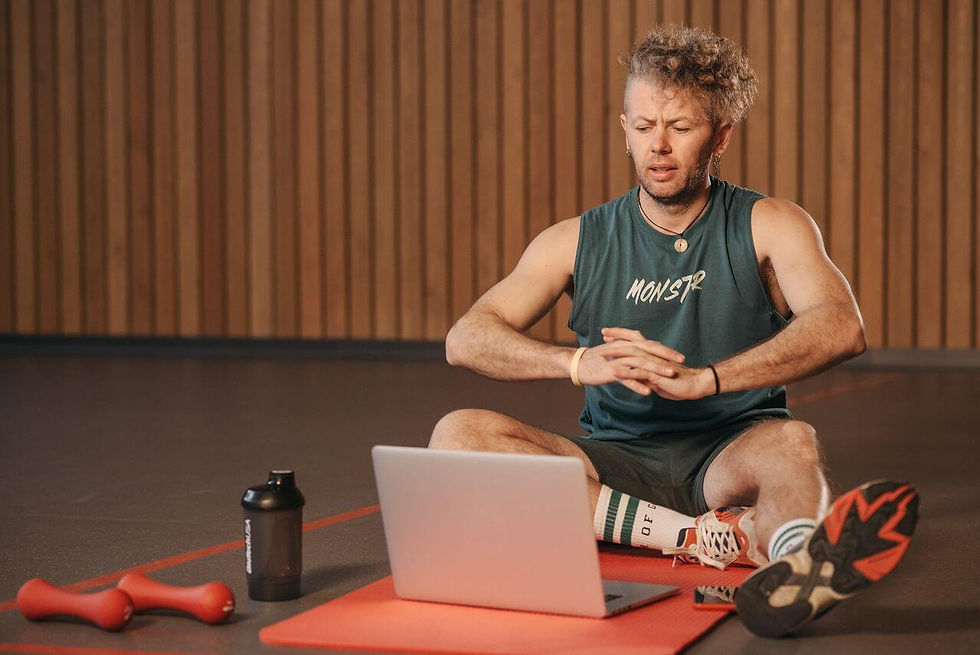
Aspiring personal trainer studying an online CPT course beside fitness equipment.
Online study can make personal-trainer education more accessible, but candidates should verify the exact exam, accreditation and employment requirements.

Quick Answer


IPTA, NASM, ACE, ACSM and AFAA provide personal-training education with different study systems, prices and professional strengths. Before enrolling, verify the precise certification exam, its current accreditation, employer acceptance, prerequisites and renewal costs. US NCCA recognition does not automatically establish professional recognition in the UK or another country.


⭐ What Is a CPT Certification?

A certified personal trainer—or CPT—certification is a professional credential awarded after a candidate meets eligibility requirements and passes an assessment of entry-level personal-training knowledge and skills. It is different from simply completing an educational course. Certification usually involves an independently governed exam, eligibility criteria, a professional code and ongoing recertification requirements.

Key Takeaways


  • Accreditation applies to a specific certification programme, not every product offered by a provider.

  • Confirm whether the package includes an accredited, proctored exam or only a course certificate.

  • “Online certification” usually describes studying or testing online; it does not restrict trainers to remote work.

  • Advertised package prices may exclude textbooks, CPR/AED training, retakes or recertification.

  • Employer and insurer requirements should be checked before paying.

  • US candidates can verify accreditation through the official NCCA directory.

  • UK candidates should check CIMSPA-endorsed qualifications and professional standards.

  • Certification does not permit trainers to diagnose injuries or work beyond their professional scope.


Table of Contents


CPT Certifications Compared


Prices and offers were checked in August 2026 but can change. Always confirm the complete cost directly with the provider.


Provider

Suggested fit

Study and exam considerations

Advertised pricing

IPTA

Budget-conscious online learners

Online study system; verify current NCCA listing and package terms

From $399

NASM

Candidates wanting a widely established training model

NCCA-accredited CPT exam; several support packages

Package and promotion dependent

ACE

Behaviour-change and general-population coaching

Accredited certification exam and separate non-accredited certificate pathway

Package dependent

ACSM

Exercise-science-focused candidates

NCCA-accredited exam; preparation materials can be purchased separately

$310 members or $410 non-members for exam only

AFAA

Candidates interested in personal and group fitness

Confirm the precise PFT exam and accreditation pathway before enrolling

$499 advertised; textbook excluded


These are not directly interchangeable packages. Some prices cover an exam and study materials, while others refer only to the assessment or require additional resources.


How These CPT Certifications Were Selected


The five options were assessed using information available from provider websites and professional accreditation sources.


The comparison considers:


  • Current accreditation claims

  • Exam structure

  • Eligibility requirements

  • Study format

  • Published pricing

  • Included materials

  • Retake and recertification terms

  • Continuing-education options

  • Intended professional focus

  • Recognition considerations


This is an editorial comparison, not a controlled assessment of graduate performance or employment outcomes. Provider marketing, testimonials and ratings were not treated as proof that one qualification produces better trainers.


💡 Expert Tip: Ask your intended employer and professional-liability insurer which credentials they accept before enrolling. Recognition can be more important than a course’s advertised ranking.


Why Accreditation Matters


The National Commission for Certifying Agencies evaluates certification programmes against standards covering governance, assessment, fairness and ongoing competence.


However, accreditation language requires precision. A training provider may sell:


  • An accredited certification exam

  • A non-accredited course certificate

  • Exam-preparation materials

  • Specialist continuing education

  • Several pathways bundled together


Only the named certification programme carries its specific accreditation. Candidates should search the official NCCA programme directory rather than relying solely on a sales page or comparison website.


A Note for UK Trainers


NCCA accreditation is primarily relevant to the US fitness industry. Someone intending to work in the UK should check whether the qualification meets local employment and insurance expectations.


The CIMSPA training directory lists endorsed training and qualifications aligned with UK professional standards. CIMSPA also explains the knowledge and competence expected of a personal-trainer practitioner.


An American online CPT should not be assumed to provide automatic CIMSPA status or equivalent UK recognition.


📊 Evidence Snapshot: What to Verify


Claim on a course page

What to check

“Accredited”

Which precise exam is accredited and by which organisation?

“Complete online”

Is the final exam proctored, and is remote testing available in your location?

“Gym accepted”

Has your intended employer confirmed acceptance?

“All-inclusive”

Are the exam, textbook, CPR/AED and retakes included?

“Job guarantee”

What eligibility, location and application conditions apply?

“High pass rate”

Does the provider publish auditable data and define the candidate group?

“Internationally recognised”

Does this mean legal, employer or professional-register recognition?

“Medical exercise”

Does the qualification remain within a trainer’s non-clinical scope?


Five CPT Certification Options


1. IPTA — A Lower-Cost Online Option


The IPTA (International Personal Trainer Academy) offers an online CPT pathway advertised as NCCA-accredited, with entry pricing beginning at $399. Its website states that the starting package includes study materials and the certification exam.


Higher-priced packages may add features such as:


  • Adaptive study tools

  • Practice assessments

  • Exam retakes

  • CPR/AED training

  • Continuing education

  • Recertification benefits

  • Career-support services


Potential advantages


  • Lower advertised starting price than several established competitors

  • Online and mobile-friendly study

  • Structured exam preparation

  • Some packages include expenses sold separately elsewhere


Points to verify


IPTA is newer than NASM, ACE and ACSM. Candidates should therefore confirm its current listing in the official NCCA directory and ask potential employers whether they recognise the credential.


Career or job-assurance offers should be read carefully. Eligibility may depend on residence, applications completed, interview participation and other conditions. They should not be interpreted as guaranteed employment.


Suitable for: Candidates prioritising online study and predictable entry pricing who have independently confirmed employer recognition.


2. NASM — An Established Training Model


The NASM Certified Personal Trainer certification uses the organisation’s Optimum

Performance Training model. Its curriculum covers assessment, programme design, exercise technique, behaviour change and professional practice.


The NCCA-accredited NASM-CPT requires a proctored certification exam. NASM also sells different course and support packages, so the monthly payment shown on a promotional page may not represent the final total.


Potential advantages


  • Long-established fitness-education provider

  • Structured programme-design model

  • Multiple study-support packages

  • Online and testing-centre exam options

  • Wide range of later specialisations


Points to verify


Compare total package prices rather than monthly instalments. Check what happens if the exam is not passed within the eligibility period and whether a retake is included.


Candidates should also distinguish the accredited NASM-CPT certification exam from any non-proctored certificate option offered within a package.


Suitable for: Trainers who want a highly structured programme-design framework and an established US credential.


3. ACE — Strong General-Population and Behaviour-Change Coverage


The ACE Personal Trainer Certification includes an NCCA-accredited exam that may be taken through approved in-person or live remote proctoring.


ACE places substantial emphasis on client communication, behaviour change, screening and exercise programming for general fitness populations.


Potential advantages


  • Established nonprofit certification organisation

  • NCCA-accredited personal-trainer exam

  • In-person and remotely proctored testing

  • Behaviour-change and client-communication content

  • Broad continuing-education catalogue


Points to verify


ACE offers more than one assessment pathway. Its accredited, proctored certification exam is distinct from an online-only, non-proctored certificate examination.


Candidates should confirm exactly which exam is included before purchasing. A lower-priced course or open-book assessment may not award the same credential.


Suitable for: Trainers interested in behaviour change, client communication and general-population fitness coaching.


4. ACSM — An Exercise-Science-Focused Option


The ACSM Certified Personal Trainer qualification is offered by the American College of Sports Medicine.


Current eligibility requirements include:


  • Being at least 18

  • Holding a high-school diploma or equivalent

  • Maintaining adult CPR/AED certification


ACSM states that first-aid training will become an additional requirement from 2027.


Its exam-only price was listed at $310 for members and $410 for non-members at the time of review. Preparation courses and practice assessments are optional purchases rather than compulsory prerequisites for sitting the exam.


Potential advantages


  • Strong connection with exercise science

  • Clearly defined eligibility and scope

  • Exam-only route available

  • Suitable foundation for work with generally healthy clients and medically stable clients cleared for independent exercise

  • Three-year recertification cycle


Points to verify


ACSM’s CPT credential does not make someone an exercise physiologist or clinical exercise physiologist. Those are different certifications with additional academic and experience requirements.


The scientific depth may suit some learners, while candidates wanting extensive guided study support may need to purchase a preparation bundle.


Suitable for: Candidates with an interest in exercise science or fitness settings that work alongside healthcare professionals.


5. AFAA — Worth Considering for Personal and Group Fitness


The AFAA Personal Fitness Trainer page describes an online programme covering anatomy, exercise physiology, health assessment, behaviour modification and basic nutrition.


At the time of review, the programme was advertised at $499, excluding the textbook. A current CPR/AED certificate and photo identification are required for the exam.


Potential advantages


  • Established history in fitness education

  • Strong connection with group fitness

  • Online learning

  • Instalment options

  • Relevant pathway for instructors combining individual and group sessions


Points to verify


AFAA is particularly well known for its NCCA-accredited Certified Group Fitness Instructor credential. Its personal-training pages and wider NASM/AFAA terms have used different language for exam pathways over time.


Before paying, obtain written confirmation of:


  • The precise credential awarded

  • Whether the selected PFT examination is currently NCCA-accredited

  • Whether the exam is proctored

  • Whether the textbook is required

  • The completion deadline

  • Retake and renewal costs


Suitable for: Candidates interested in both personal and group fitness who have verified the exact certification pathway.


Online Study Does Not Mean Online-Only Work


An online CPT usually means that coursework—and sometimes the final exam—can be completed remotely. It does not necessarily restrict the trainer to virtual sessions.


A qualified trainer may work:

  • In a commercial gym

  • In a private studio

  • At a client’s home

  • Outdoors

  • Through live video sessions

  • Using a hybrid model


Online coaching creates additional responsibilities. Trainers need appropriate insurance, informed consent, secure handling of health information and a reliable way to assess whether an exercise is safe without being physically present.


Remote trainers should also establish emergency procedures and know the client’s location during live sessions.


Personal trainer helping a client use gym equipment with appropriate technique.
Professional competence involves more than passing an exam; trainers must apply safe screening, communication and exercise-progression skills. 

Compare the Complete Cost


A low headline price may not represent the final amount required to become and remain certified.


Before enrolling, calculate:


  • Course or study-package price

  • Certification examination fee

  • Textbook and practice materials

  • CPR/AED training

  • Exam-proctoring charges

  • Retake fees

  • Membership fees

  • Recertification fees

  • Continuing-education costs

  • Professional insurance

  • Background or safeguarding checks

  • Finance interest or administrative charges


Promotional prices and instalment plans can be useful, but finance should be assessed using the total repayable amount—not only the monthly payment.


Certification Does Not Replace Experience


Passing a CPT exam demonstrates that the candidate has met the certification programme’s entry-level standard. It does not show that every new trainer is immediately prepared for every population or health condition.


New trainers can strengthen competence through:


  • Shadowing experienced professionals

  • Practical workshops

  • Mentoring and supervision

  • Continuing education

  • Careful client screening

  • Emergency-procedure training

  • Referral relationships with healthcare professionals

  • Staying within their documented scope of practice


Our guide to building a career in wellness and personal care explains how recognised qualifications, practical experience and professional boundaries work together.


Scope of Practice and Client Safety


A CPT may assess general fitness, teach exercises and develop programmes for clients who are appropriate for personal training.


Unless separately qualified and legally authorised, a personal trainer should not:


  • Diagnose an injury or medical condition

  • Claim to treat pain or disease

  • Provide post-operative rehabilitation

  • Adjust prescribed medication

  • Offer individualised clinical nutrition treatment

  • Tell a client to ignore medical advice

  • Work with a high-risk client beyond their competence


A trainer should refer to a GP, physiotherapist, dietitian or another qualified professional when symptoms, medical history or recovery needs fall outside personal-training practice.


Our article on personal training and injury prevention explains how trainers may support movement quality and gradual progression without claiming to prevent every injury.


How to Choose the Right CPT Certification


Before purchasing, follow these steps:


  1. Decide where and in which country you intend to work.

  2. Ask likely employers which certifications they accept.

  3. Check insurer requirements.

  4. Verify the exact certification in the relevant accreditation directory.

  5. Confirm prerequisites and exam format.

  6. Calculate the complete cost through first recertification.

  7. Read the refund, retake and job-assurance terms.

  8. Compare the curriculum with your intended client population.

  9. Check whether practical experience or mentoring is available.

  10. Reconfirm all details immediately before payment.


Frequently Asked Questions


Which CPT certification is best?


There is no universal best option. The right choice depends on location, employer requirements, budget, learning style and intended clients.


Does a personal trainer need NCCA accreditation?


There is no single US federal law requiring every trainer to hold an NCCA-accredited credential. However, many employers and insurers require or prefer one. Requirements vary between jurisdictions and workplaces.


Can a CPT qualification be completed entirely online?


Some programmes allow online study and remotely proctored testing. Candidates must confirm whether the online exam awards the accredited certification or a different course certificate.


Is CPR/AED certification required?


Many recognised CPT certifications require current CPR/AED certification. Check the acceptable training format and whether a practical skills assessment is required.


Can a US CPT certification be used in the UK?


Not automatically. UK candidates should check the CIMSPA-endorsed training directory, potential employers and insurers before relying on a US qualification.


Does certification qualify someone to train injured clients?


A CPT may adapt general exercise within their competence, but diagnosing injuries or

providing clinical rehabilitation requires an appropriately qualified healthcare professional.


How often must CPT certifications be renewed?


Renewal periods and continuing-education requirements vary. Compare these obligations before choosing a provider because they affect long-term cost.


The Verdict


IPTA may appeal to candidates seeking a lower-priced online route. NASM offers a structured and established training model. ACE places strong emphasis on behaviour change and general-population coaching. ACSM provides an exercise-science-focused pathway, while AFAA may interest trainers combining individual and group fitness.


None should be selected from a ranking alone. Verify accreditation, recognition, complete cost, examination pathway and scope before committing.


Continue Exploring Exercise and Rehabilitation


Explore our Exercise and Rehabilitation Hub for evidence-informed information about fitness, movement, injury prevention and recovery.


Readers planning their own training can also explore how to set realistic fitness goals.


Provider information and prices were checked in August 2026. Offers, accreditation status and examination requirements may change. Verify current information with the provider and relevant professional body before enrolling.

Recent Posts

About the Author


Monica Pineider is the author of the A to Zen Therapies health blog and founder of a Central London wellness clinic. She specialises in massage therapy and holistic treatments, drawing on professional experience since 2009 in reflexology, shiatsu, and deep tissue massage.


She trained in Thailand and Bali in traditional massage techniques before continuing advanced hands-on study in London across multiple therapy disciplines. This international and clinical background has shaped the approach and philosophy of A to Zen Therapies.


Monica oversees the editorial direction of every article published on the blog, including content written or contributed to by external specialists in areas beyond the clinic’s direct clinical experience. All content is reviewed to ensure clarity, accuracy, and alignment with our editorial standards.


She shares practical, experience-based insights to support relaxation, recovery, and everyday wellbeing.

⚠️ Medical Disclaimer


The information provided on this website is for educational and informational purposes only and is not intended as medical advice, diagnosis, or treatment.


Always seek the advice of your physician, qualified healthcare provider, or other licensed medical professional regarding any medical condition, symptoms, or treatment options. Do not disregard professional medical advice or delay seeking it because of information you have read on this website.


A to Zen Therapies and its contributors provide information for general informational purposes only and may not reflect individual medical circumstances. Individual results from wellness practices, supplements, or natural therapies may vary.


If you are pregnant, nursing, taking medication, or have a pre-existing health condition, consult a qualified healthcare professional before starting any new wellness routine, supplement, or therapy.


Use of this website and its content is at your own risk.

Editorial Note

This article has been reviewed in accordance with A to Zen Therapies’ Editorial Policy to ensure accuracy, clarity, and responsible, experience-based wellness information.

bottom of page