top of page

A Note to Our Readers: Our health blog sometimes features articles from third-party contributors. We share ideas and inspiration to guide your wellness journey—but remember, it’s not medical advice. If you have any health concerns or ongoing conditions, always consult your physician first before starting any new treatment, supplement, or lifestyle change.

How to Choose Skin Rejuvenation Treatments Safely

Writer: Monica Pineider
Monica Pineider
9 hours ago
8 min read

Skin rejuvenation is not one procedure or a guaranteed route to “perfect” skin. It is a broad term for treatments intended to improve concerns such as uneven tone, rough texture, acne scarring, fine lines or dryness. The right choice depends on the concern being treated, your skin tone and medical history, the evidence behind the procedure, the practitioner’s training and the amount of recovery you can realistically manage.


A health-first approach begins with diagnosis rather than a treatment menu. A new or changing mole, persistent rash, unexplained pigment change, painful lesion or wound that will not heal needs medical assessment—not cosmetic camouflage. When the concern is suitable for aesthetic care, a careful consultation can help you compare likely benefits with downtime, cost and risk.


Dermatology professional examining a patient’s facial skin with a digital device.
A proper consultation should assess the skin concern, medical history and treatment suitability before any rejuvenation procedure.

Quick Answer


Choose a skin rejuvenation treatment only after a qualified practitioner has assessed your concern, health history, medicines, skin tone and tendency to develop pigmentation or scarring. Ask what evidence supports the recommended option, who will perform it, what recovery involves and how complications are managed. Gentle daily skincare and sun protection remain the foundation; procedures should complement—not replace—appropriate medical care.


Key Takeaways


  • Start with the skin concern and its cause, not a trending device or package.

  • “Non-surgical” does not mean risk-free.

  • Skin tone, active conditions, medicines and previous reactions can change treatment safety.

  • Chemical peels, microneedling, laser and light treatments are not interchangeable.

  • Darker skin tones may require adjusted settings and particular expertise to reduce pigment changes.

  • Ask about qualifications, device licensing, infection control, aftercare and emergency support.

  • Do not stop prescribed medicines or prescription skincare without appropriate medical advice.

  • Worsening pain, blistering, spreading redness, pus, fever, vision changes or marked swelling needs prompt assessment.


Table of Contents


What Skin Rejuvenation Can and Cannot Do


Aesthetic treatments may make selected concerns less noticeable, but results vary and maintenance may be required. They cannot stop ageing, guarantee poreless skin or remove every scar and pigment change. Outcomes are shaped by genetics, hormones, ultraviolet exposure, smoking, skin disease, treatment depth, healing response and adherence to aftercare.


The American Academy of Dermatology stresses that cosmetic procedures carry medical risks and that practitioner knowledge matters. A balanced consultation should explain limitations as clearly as potential benefits.


When Cosmetic Treatment Is Not the First Step


See a GP or dermatologist before booking an aesthetic procedure if you have a changing mole, unexplained bleeding, a non-healing area, a persistent rash, suspected infection, severe or scarring acne, sudden pigment change or symptoms that have not been diagnosed. Cosmetic treatment should not delay investigation of a possible medical condition.


Check Skin and General Health First


Skin changes are influenced by more than products. Hormonal changes, stress, sleep, ultraviolet exposure, nutrition, medicines, pregnancy, menopause and conditions such as eczema, rosacea or diabetes may affect both the concern and the way skin heals. The A to Zen Skin Health Hub provides wider patient-education resources on these connections.


Tell the practitioner about allergies, cold sores, keloid or raised scars, post-inflammatory hyperpigmentation, immune or bleeding conditions, pregnancy or breastfeeding, recent tanning, previous procedures and every medicine or supplement you take. Include prescription retinoids and recent isotretinoin. This information helps determine whether treatment should proceed, be modified or be postponed.


Set a Specific, Realistic Goal


“I want better skin” is too broad to guide a safe plan. Identify the concern that matters most: active acne, depressed acne scars, redness, sun-related pigmentation, melasma, dryness, rough texture or fine lines. Different concerns may look similar but need different care.


Prioritising one concern also makes progress easier to judge. Ask how outcomes will be measured, how many sessions are commonly considered, what maintenance may involve and what would count as a reason to stop.


Expert tip: Bring photographs of your skin before a flare, a list or photographs of every product you use, and a written medication list. Ask the practitioner to record the exact diagnosis or cosmetic concern being treated—not only the device name.

Skincare professional assessing a client’s face before a facial treatment.
Treatment choice should be guided by the person’s skin, goals and health history rather than a one-size-fits-all package.

Compare Common Skin Rejuvenation Treatments


No single treatment is best for everyone. The table below is a starting point, not a suitability assessment.

Treatment

May Be Considered For

Typical Recovery Pattern

Important Risks and Limits

Professional facial

Temporary hydration, cleansing or a relaxing skincare experience

Often little or no downtime

Irritation or allergy can occur; benefits depend on the products and procedure and may be temporary

Chemical peel

Selected pigment changes, rough texture, fine lines and some acne concerns

Ranges from mild flaking to more than two weeks, depending on depth

Redness, pigment change, infection and scarring; deeper is not automatically better

Microneedling

Selected acne scars, texture and fine lines

Redness, sensitivity and pinpoint bleeding may occur for several days

Infection, pigment change and scarring; sterile single-use cartridges and appropriate device use matter

Laser or intense pulsed light

Specific pigment, vascular, hair-removal or resurfacing goals, depending on the device

Varies from hours to weeks

Burns, blistering, pigment change, scarring, infection and eye injury; device, settings and skin tone matter

Radiofrequency microneedling

Selected texture, scarring or laxity concerns

Variable redness and swelling

The FDA has reported serious complications with certain uses, including burns, scarring, fat loss and nerve damage


Chemical Peels


The AAD overview of chemical peels explains that peels may be used for selected acne, discoloration, fine lines and rough or sun-damaged skin. Peel depth changes both the potential effect and recovery. The professional should identify the acid, strength and planned depth and explain why it suits your skin.


Microneedling and Radiofrequency Microneedling


The US Food and Drug Administration’s microneedling guidance outlines authorised uses and risks, including infection and pigment changes. The FDA has also issued a safety communication on radiofrequency microneedling after reports of serious complications. RF microneedling is a medical procedure, not a home treatment.


Laser and Light-Based Procedures


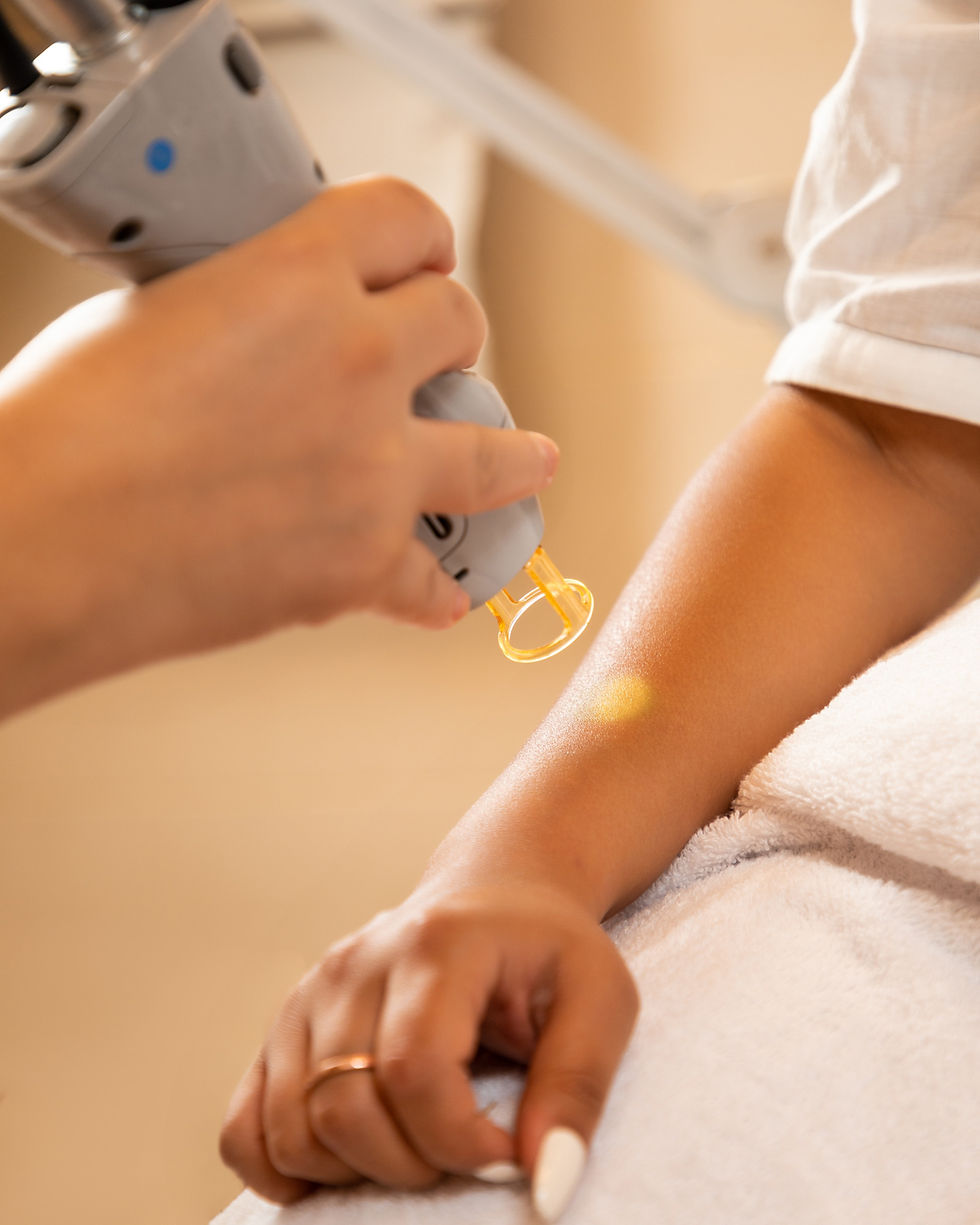
Laser and intense pulsed light devices use different wavelengths, pulse patterns and settings. Health Canada notes that outcomes and risks depend on the device, operator training, settings and skin colour in its guide to cosmetic laser treatments. Before any energy-based procedure, review A to Zen’s skin care guide for laser and light-based treatments.


Professional Facials


Facials may support cleansing, comfort or temporary hydration, but the term covers many different products and techniques. People comparing professional facial treatments in Toronto should ask exactly what the session includes, whether exfoliating acids or devices are used and how the plan will be adapted for allergies, acne, rosacea or sensitive skin.


Consider Skin Tone and Pigmentation Risk


Post-inflammatory hyperpigmentation can follow irritation, burns or inflammation. It is especially important to ask how the practitioner treats your skin tone, how settings or peel depth are selected, whether a test area is appropriate and what happens if unwanted darkening or lightening occurs.


Acne scars also require a specific assessment. Ice-pick, rolling, boxcar and raised scars do not respond identically. The AAD’s acne-scar treatment guidance explains why dermatologists may combine procedures according to scar type rather than relying on one universal treatment.


Choose a Qualified Practitioner and Ask the Right Questions


Choose the practitioner before choosing a package. The NHS guide to selecting a cosmetic practitioner recommends asking about qualifications, experience, complications, aftercare and the full cost.


When exploring professional skin treatments, request an individual consultation before paying for a course. A reputable provider should be willing to explain alternatives, including doing nothing or starting with home care.


Questions to Ask Before You Consent


  • What exactly is the concern you are treating?

  • What are your qualifications and experience with this procedure and my skin tone?

  • Is the device authorised or licensed for this use in this country?

  • What benefits are realistic, and what evidence supports them?

  • What are the common and serious risks?

  • What preparation, downtime and aftercare should I expect?

  • Who provides help if I develop a complication?

  • What is the total cost, including reviews and maintenance?

  • Will photographs be taken, how will they be stored and do I control marketing consent?


Prepare for Treatment Without Overloading the Skin


Follow the provider’s procedure-specific instructions. Do not add strong acids, retinoids, scrubs or “pre-treatment” products unless advised. Tell the clinic about tanning, sunburn, skin infection, a cold-sore outbreak or any change in medicines before the appointment.


Do not stop prescribed medicines to qualify for a cosmetic procedure unless the prescriber says it is safe. If the skin is burning, peeling, broken or inflamed, postponing treatment may be safer than trying to push through the appointment.


Plan Recovery and Aftercare Before Treatment Day


Aftercare depends on the procedure. General measures may include gentle cleansing, a simple moisturiser, avoiding picking or friction, temporarily pausing irritating actives and protecting treated skin from ultraviolet exposure. Health Canada recommends broad-spectrum SPF 30 or higher alongside shade and protective clothing in its sunscreen guidance.


Ask for written instructions and an out-of-hours contact before treatment. Seek prompt professional advice for worsening or severe pain, blistering, pus, spreading redness, fever, unexpected pigment loss or darkening, eye symptoms, or swelling that is increasing rather than settling. Difficulty breathing, collapse or rapidly increasing facial or throat swelling requires emergency help.


Support Skin Health Between Treatments


Daily habits often matter more than repeated intensive procedures. A sustainable routine usually includes a gentle cleanser, a moisturiser suited to the skin, regular sun protection and treatment for diagnosed skin disease. Sleep, smoking, stress, nutrition and adherence to prescribed care may also affect appearance and recovery.


A to Zen’s guide to safe aesthetic care before and after treatment provides a broader checklist for consultation, hygiene and recovery. Avoid stacking procedures too closely or changing several active products at once; if irritation develops, it becomes harder to identify the cause.


Myth Versus Fact


Myth: A stronger treatment always produces faster, better results.

Fact: Greater treatment depth or energy can also increase downtime and the risk of burns, pigment changes, infection and scarring. The safest effective plan is individualised and may begin conservatively.


Frequently Asked Questions


Which Skin Rejuvenation Treatment Is Best?


There is no universal best treatment. The appropriate option depends on the diagnosis or

concern, skin tone, medical history, previous reactions, budget and tolerance for downtime. A qualified practitioner should explain alternatives and why one is being recommended.


Can Skin Rejuvenation Remove Acne Scars Completely?


No procedure can guarantee complete removal. Treatment may make selected scars less noticeable, often through a combination chosen for the scar type. Active acne should usually be controlled as part of the plan.


Are Facials Safer Than Laser or Microneedling?


Basic non-invasive facials generally involve less tissue disruption, but they can still cause irritation, allergic reactions or acne flares. Risk depends on the products, technique, skin condition and practitioner.


How Long Should I Wait Between Treatments?


There is no single interval. It depends on the procedure, depth, treatment area and how the skin heals. Follow the treating professional’s written plan and do not add another intensive treatment while skin remains irritated.


When Should I See a Dermatologist Instead of an Aesthetic

Practitioner?


Seek medical assessment for changing or suspicious lesions, persistent rashes, infections, severe acne, unexplained pigment changes, non-healing areas or symptoms that may represent a skin disease.


Final Thoughts


Thoughtful skin rejuvenation is less about chasing the newest procedure and more about making a well-informed decision. Define the concern, protect your skin barrier, choose a suitably qualified practitioner and understand the full recovery plan before you consent. A good provider will welcome questions, discuss uncertainty and recommend medical assessment when a cosmetic procedure is not the right first step.


References

  1. American Academy of Dermatology Association. Cosmetic Treatments: Your Safety.

  2. American Academy of Dermatology Association. Chemical Peels: Overview.

  3. American Academy of Dermatology Association. Acne Scars: Consultation and Treatment.

  4. US Food and Drug Administration. Microneedling Devices.

  5. US Food and Drug Administration. Potential Risks of Certain Uses of Radiofrequency Microneedling.

  6. Health Canada. Cosmetic Laser Treatments.

  7. Health Canada. Sunscreens.

  8. National Health Service. Choosing Who Will Do Your Cosmetic Procedure.

Recent Posts

About the Author​


Monica Pineider is the author of the A to Zen Therapies health blog and founder of a Central London wellness clinic. She specialises in massage therapy and holistic treatments, drawing on professional experience since 2009 in reflexology, shiatsu, and deep tissue massage.


She trained in Thailand and Bali in traditional massage techniques before continuing advanced hands-on study in London across multiple therapy disciplines. This international and clinical background has shaped the approach and philosophy of A to Zen Therapies.


Monica oversees the editorial direction of every article published on the blog, including content written or contributed to by external specialists in areas beyond the clinic’s direct clinical experience. All content is reviewed to ensure clarity, accuracy, and alignment with our editorial standards.


She shares practical, experience-based insights to support relaxation, recovery, and everyday wellbeing.

​

​

⚠️ Medical Disclaimer


The information provided on this website is for educational and informational purposes only and is not intended as medical advice, diagnosis, or treatment.


Always seek the advice of your physician, qualified healthcare provider, or other licensed medical professional regarding any medical condition, symptoms, or treatment options. Do not disregard professional medical advice or delay seeking it because of information you have read on this website.


A to Zen Therapies and its contributors provide information for general informational purposes only and may not reflect individual medical circumstances. Individual results from wellness practices, supplements, or natural therapies may vary.


If you are pregnant, nursing, taking medication, or have a pre-existing health condition, consult a qualified healthcare professional before starting any new wellness routine, supplement, or therapy.


Use of this website and its content is at your own risk.

​

​

Editorial Note

​

This article has been reviewed in accordance with A to Zen Therapies’ Editorial Policy to ensure accuracy, clarity, and responsible, experience-based wellness information.

bottom of page