top of page

A Note to Our Readers: Our health blog sometimes features articles from third-party contributors. We share ideas and inspiration to guide your wellness journey—but remember, it’s not medical advice. If you have any health concerns or ongoing conditions, always consult your physician first before starting any new treatment, supplement, or lifestyle change.

Neurosurgeons in Turkey: How to Choose the Right Specialist for Your Condition

  • Writer: Monica Pineider
    Monica Pineider
  • 10 hours ago
  • 9 min read

Medically Reviewed by: GlobalMedik Neurosurgery Team 


Man in blue scrubs at a futuristic console with brain scans, Istanbul skyline, and text: Best Neurosurgeon in Turkey?


Quick Answer


Choosing among neurosurgeons in Turkey involves much more than comparing qualifications. Patients should consider the surgeon's experience with their specific neurological condition, the hospital's technology, multidisciplinary care, rehabilitation services and long-term follow-up. Selecting a specialist whose expertise closely matches your diagnosis can improve treatment planning and support better surgical outcomes.


Key Takeaways


✔ Turkey is home to internationally recognised neurosurgeons and advanced neurological centres.

✔ The best neurosurgeon is one with extensive experience treating your specific condition.

✔ Modern technology and multidisciplinary care play an important role in complex neurosurgery.

✔ Patients should evaluate both the surgeon and the hospital before making treatment decisions.

✔ A comprehensive rehabilitation plan is often just as important as the surgery itself.


Table of Contents


Why Patients Choose Turkey for Neurosurgery


Over the past two decades, Turkey has become one of the leading destinations for complex neurological care.


Patients from Europe, the Middle East and other parts of the world increasingly travel to specialist hospitals in cities such as Istanbul, Ankara and Antalya, where internationally trained neurosurgeons work alongside multidisciplinary medical teams using advanced surgical technology.


Many international patients seek specialist care for complex brain procedures as well as back surgery, particularly when they require advanced spinal techniques, multidisciplinary expertise or access to modern surgical technology.


Several factors contribute to Turkey's growing reputation in neurosurgery, including:


  • Highly experienced neurosurgical specialists.

  • Modern hospitals equipped with advanced operating theatres.

  • Access to comprehensive diagnostic imaging.

  • Multidisciplinary treatment planning.

  • Integrated rehabilitation services.

  • International patient support programmes.


Many leading hospitals also provide integrated medical services, allowing diagnostic imaging, specialist consultations, surgery, rehabilitation and follow-up care to be coordinated within the same healthcare system. This streamlined approach can improve communication between healthcare professionals and create a more seamless experience for patients, particularly those travelling internationally for treatment.


For many people seeking treatment abroad, these factors provide access to specialist care while reducing waiting times compared with some healthcare systems.


Experience and specialist centres matter. Research consistently shows that patients undergoing complex neurosurgical procedures often achieve better outcomes when treated at high-volume specialist centres with experienced multidisciplinary teams and access to advanced surgical technology.

Conditions Commonly Treated by Neurosurgeons in Turkey


Neurosurgery covers a wide range of disorders affecting the brain, spine and nervous system.


Although every neurosurgeon develops particular areas of expertise, many Turkish specialists regularly perform surgery for conditions such as:


  • Brain tumours

  • Spinal tumours

  • Herniated (slipped) discs

  • Spinal stenosis

  • Brain aneurysms

  • Epilepsy requiring surgical treatment

  • Trigeminal neuralgia

  • Parkinson's disease (deep brain stimulation)

  • Hydrocephalus

  • Peripheral nerve disorders

  • Traumatic brain injuries

  • Spinal cord injuries


Some specialists also manage complex neurological conditions such as multiple sclerosis, although surgery is usually reserved for selected complications rather than the disease itself.


Because neurosurgery includes many subspecialties, patients should always choose a surgeon with substantial experience treating their specific diagnosis rather than selecting someone based solely on reputation.


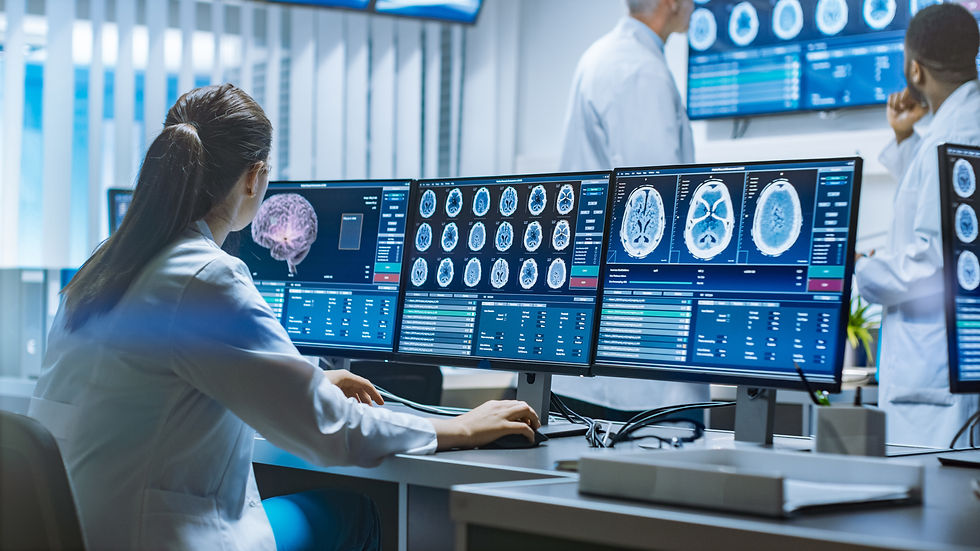
Neurosurgeon reviewing detailed MRI brain scans on a digital workstation.

How to Choose the Right Neurosurgeon


No single neurosurgeon is the best choice for every patient.


Instead, the most appropriate specialist is usually the one with the greatest experience managing your particular neurological condition.


When comparing neurosurgeons in Turkey, consider several important factors.


Specialised Expertise


Neurosurgery is a highly specialised field.


Some surgeons focus primarily on brain tumours, while others dedicate their practice to spinal surgery, vascular neurosurgery, epilepsy surgery or peripheral nerve disorders.


Choosing a specialist whose clinical expertise closely matches your diagnosis can improve surgical planning and long-term outcomes.


Professional Qualifications


A neurosurgeon's qualifications provide valuable insight into their training and professional standards.


Look for evidence of:


These achievements demonstrate continued professional development and commitment to evidence-based practice.


Clinical Experience


Years of experience alone do not determine surgical quality.


More important is the number of procedures performed for conditions similar to yours.


Surgeons who regularly manage complex neurological cases are often better prepared to recognise anatomical variations, minimise complications and adapt to unexpected findings during surgery.


Patients should feel comfortable asking about a surgeon's experience with their specific condition and the number of similar procedures they perform each year.


⭐ Clinical Insight


Choose expertise that matches your diagnosis


The most experienced neurosurgeon overall may not always be the best choice for your condition. Selecting a specialist who routinely treats your specific neurological disorder is often more important than choosing the most widely recognised name.


Choosing a Neurosurgeon Checklist

Consider

Why It Matters

Subspecialty

Experience with your specific condition

Surgical volume

Greater familiarity with complex procedures

Hospital technology

Supports safer and more precise surgery

Multidisciplinary team

Comprehensive treatment planning

Rehabilitation services

Essential for long-term recovery

International patient support

Improves communication and continuity of care


Infographic showing how to choose a neurosurgeon in Turkey, including selecting a specialist based on your condition, reviewing qualifications and clinical experience, evaluating hospital technology, confirming multidisciplinary care, asking important questions, planning treatment and supporting recovery after neurosurgery.
How to Choose a Neurosurgeon in Turkey: This infographic highlights the key factors to consider when selecting a neurosurgeon, including specialist expertise, clinical experience, hospital technology, multidisciplinary care and rehabilitation support to help patients make informed treatment decisions.

Why Hospital Technology Matters


Even the most experienced neurosurgeon depends on the quality of the hospital where the procedure is performed.


Modern neurosurgery combines surgical expertise with advanced imaging, precision technology and highly trained multidisciplinary teams. Hospitals that regularly perform complex neurological procedures often invest in specialised equipment designed to improve surgical accuracy, reduce complications and support patient safety throughout treatment.


Before choosing a hospital, consider whether it offers:


  • High-resolution MRI and CT imaging on-site

  • Neuronavigation systems

  • Intraoperative neurophysiological monitoring

  • Operating microscopes for microsurgery

  • Dedicated neurosurgical intensive care units (ICUs)

  • Specialist neurological rehabilitation services


Access to these technologies allows surgeons to plan procedures more accurately while

helping patients receive coordinated care before, during and after surgery.

Technology supports safer neurosurgery. Modern technologies such as neuronavigation, intraoperative imaging and neurophysiological monitoring help surgeons perform complex procedures with greater precision while protecting surrounding healthy brain and spinal cord tissue.


Modern neurosurgical operating theatre equipped with advanced imaging and neuronavigation technology.


The Importance of a Multidisciplinary Team


Complex neurological conditions rarely involve one specialist alone.


Many patients benefit from a multidisciplinary approach in which neurosurgeons collaborate with neurologists, neuroradiologists, anaesthesiologists, oncologists, rehabilitation physicians, physiotherapists and specialist nursing teams.


This collaborative approach helps ensure that every stage of treatment—from diagnosis through surgery and rehabilitation—is carefully coordinated around the patient's individual needs.


For conditions such as brain tumours, spinal cord injuries or epilepsy, multidisciplinary case discussions often help determine the most appropriate treatment strategy before surgery is recommended.


⭐ Clinical Insight


Successful outcomes depend on the whole team


While the neurosurgeon performs the operation, long-term outcomes are also influenced by accurate diagnosis, anaesthetic care, intensive care support, rehabilitation and ongoing follow-up. Choosing a hospital with experienced multidisciplinary teams is therefore just as important as selecting the surgeon.


Questions to Ask Before Choosing a Neurosurgeon


Choosing a neurosurgeon is one of the most important healthcare decisions many people will ever make.


Preparing questions before your consultation can help you make a more informed decision.


Consider asking:


  • How many patients with my condition do you treat each year?

  • How often do you perform this specific procedure?

  • What are the expected benefits and potential risks?

  • Are less invasive treatment options available?

  • What technology will be used during surgery?

  • How long is the expected recovery period?

  • What rehabilitation services are available after surgery?

  • How will follow-up care be managed once I return home?


Open communication helps patients understand both the expected outcomes and the realistic limitations of treatment.


⭐ Expert Tip


Don't hesitate to seek a second opinion


For major neurosurgical procedures, obtaining a second opinion is considered good clinical practice. Another specialist may confirm the proposed treatment plan or offer alternative approaches based on your individual diagnosis.


Recognised Neurosurgeons in Turkey


Turkey is home to many highly respected neurosurgeons with extensive experience treating complex neurological disorders.


Among the specialists frequently recognised for their clinical expertise are:


Professor Mevlüt Özgür Taşkapılıoğlu


Professor Taşkapılıoğlu has more than 25 years of experience in neurosurgery and is particularly recognised for managing complex brain tumours and other challenging cranial procedures. His extensive surgical experience, academic contributions and patient-centred approach have earned him an international reputation.


Professor Ahmet Öğrenci


Professor Öğrenci specialises primarily in spinal surgery and spinal cord disorders while also managing selected cranial neurosurgical cases. His clinical work focuses on complex spinal pathology, minimally invasive techniques and improving long-term functional outcomes for patients.


Patients should remember that these are only two examples among many highly qualified neurosurgeons practising in Turkey. The most appropriate specialist will always depend on the individual's diagnosis, treatment goals and personal circumstances.


Neurosurgeon discussing MRI results with a patient during a consultation.


Planning Treatment in Turkey


Travelling abroad for neurosurgery requires careful preparation.


Before confirming treatment, patients should ensure they have:


  • Copies of all MRI, CT and diagnostic imaging.

  • Previous surgical and medical records.

  • Current medication lists.

  • Referral letters where appropriate.

  • Information about travel insurance and healthcare coverage.

  • A clear understanding of rehabilitation and follow-up arrangements after returning home.


Many hospitals that treat international patients provide dedicated coordinators who assist with appointment scheduling, translation services, accommodation recommendations and treatment planning.


Good communication before travel can help reduce stress while ensuring that the surgical team has access to the information needed to develop an individualised treatment plan.


Recovery and Rehabilitation


Recovery following neurosurgery varies depending on the condition treated, the type of procedure performed and each patient's overall health.


Some people return to everyday activities within a few weeks, while others require several months of structured rehabilitation.


Rehabilitation may include:


  • Physiotherapy

  • Occupational therapy

  • Speech and language therapy

  • Pain management

  • Psychological support

  • Neurological follow-up


Successful recovery depends not only on the operation itself but also on consistent rehabilitation, appropriate follow-up care and ongoing communication between healthcare professionals.


Modern healthcare increasingly focuses on bridging surgical precision with holistic recovery, recognising that successful outcomes depend not only on technical excellence in the operating theatre but also on comprehensive rehabilitation, physical recovery, psychological support and patient-centred care. Integrating these elements helps optimise long-term function, quality of life and overall wellbeing following neurosurgery.


For some people recovering from nerve injuries or living with peripheral neuropathy, clinicians may also recommend nutritional assessment or discuss whether certain supplements for neuropathy—such as vitamin B12 (when deficient) or other evidence-based options—could support overall nerve health. However, supplements should only be used under the guidance of a qualified healthcare professional and should never replace appropriate neurological evaluation or treatment.


Continue Exploring Digital Healthcare


If you're interested in learning more about choosing healthcare providers, innovative medical technologies and patient-centred treatment planning, visit our Digital Healthcare Hub. You'll find evidence-informed articles designed to help patients make confident, informed healthcare decisions both at home and abroad.


Frequently Asked Questions


Is Turkey a good destination for neurosurgery?


Turkey has become an established destination for neurosurgery due to its experienced specialists, modern hospitals, advanced surgical technology and multidisciplinary approach to patient care.


How do I choose the best neurosurgeon in Turkey?


Look for a specialist with substantial experience treating your specific neurological condition, supported by recognised qualifications, modern hospital facilities and multidisciplinary care.


Are Turkish neurosurgeons internationally trained?


Many neurosurgeons practising in Turkey have completed advanced training, fellowships or research collaborations with internationally recognised medical institutions.


What conditions do neurosurgeons treat?


Neurosurgeons manage disorders affecting the brain, spine and nervous system, including brain tumours, spinal disorders, aneurysms, epilepsy, traumatic injuries and peripheral nerve conditions.


Is rehabilitation important after neurosurgery?


Yes. Rehabilitation plays an essential role in maximising recovery, improving function and supporting long-term quality of life after many neurological procedures.


Should I seek a second opinion before surgery?


For complex neurological conditions, obtaining a second opinion is often recommended and may help patients better understand available treatment options before making an informed decision.


Final Thoughts


Choosing among neurosurgeons in Turkey is about far more than selecting the most well-known name.


The best outcomes are usually achieved when an experienced specialist works within a modern hospital supported by advanced technology, multidisciplinary expertise and comprehensive rehabilitation services.


By carefully evaluating a surgeon's subspecialty, clinical experience and the hospital's resources, patients can make informed decisions that support safer treatment and better long-term recovery.


The A to Zen Difference


At A to Zen Therapies, we believe informed patients make better healthcare decisions. Our evidence-informed articles combine trusted clinical guidance with practical advice to help readers understand complex medical topics and navigate treatment options with confidence. Every article follows our Editorial Policy.


References


  1. Vazquez S, et al. High-Volume Centers Provide Superior Value of Care in Patients Undergoing Resection of Malignant Brain Tumours. World Neurosurgery. 2024. Available at: https://pubmed.ncbi.nlm.nih.gov/38216033/ — Examines how treatment at high-volume neurosurgical centres is associated with improved patient outcomes, fewer complications and greater value of care for complex brain tumour surgery.

  2. Turkish Neurosurgical Society. Turkish Neurosurgery. Available at: https://turkishneurosurgery.org.tr/Home — Official website of the Turkish Neurosurgical Society, providing information on neurosurgical education, research, professional standards and clinical practice in Turkey.

  3. Mandaya Hospital Group. Understanding Neuronavigation: Functions, Benefits and Advantages. Available at: https://mandayahospitalgroup.com/understanding-neuronavigation-functions-benefits-and-advantages/ — Explains how neuronavigation technology supports greater precision during brain and spinal surgery by assisting surgical planning and helping protect healthy tissue.

  4. National Center for Biotechnology Information (NCBI). Advances in Modern Neurosurgical Technologies and Patient Care. Available at: https://pmc.ncbi.nlm.nih.gov/articles/PMC12926235/ — Reviews emerging technologies in neurosurgery, including intraoperative imaging, neuronavigation and multidisciplinary approaches that support safer and more accurate surgical procedures.

  5. National Center for Biotechnology Information (NCBI). Neuronavigation in Modern Neurosurgery. Available at: https://pmc.ncbi.nlm.nih.gov/articles/PMC4173201/ — Reviews the principles, clinical applications and benefits of neuronavigation systems in brain and spinal surgery, highlighting their role in improving surgical accuracy and patient safety.


Recent Posts

About the Author


Monica Pineider is the author of the A to Zen Therapies health blog and founder of a Central London wellness clinic. She specialises in massage therapy and holistic treatments, drawing on professional experience since 2009 in reflexology, shiatsu, and deep tissue massage.


She trained in Thailand and Bali in traditional massage techniques before continuing advanced hands-on study in London across multiple therapy disciplines. This international and clinical background has shaped the approach and philosophy of A to Zen Therapies.


Monica oversees the editorial direction of every article published on the blog, including content written or contributed to by external specialists in areas beyond the clinic’s direct clinical experience. All content is reviewed to ensure clarity, accuracy, and alignment with our editorial standards.


She shares practical, experience-based insights to support relaxation, recovery, and everyday wellbeing.

⚠️ Medical Disclaimer


The information provided on this website is for educational and informational purposes only and is not intended as medical advice, diagnosis, or treatment.


Always seek the advice of your physician, qualified healthcare provider, or other licensed medical professional regarding any medical condition, symptoms, or treatment options. Do not disregard professional medical advice or delay seeking it because of information you have read on this website.


A to Zen Therapies and its contributors provide information for general informational purposes only and may not reflect individual medical circumstances. Individual results from wellness practices, supplements, or natural therapies may vary.


If you are pregnant, nursing, taking medication, or have a pre-existing health condition, consult a qualified healthcare professional before starting any new wellness routine, supplement, or therapy.


Use of this website and its content is at your own risk.

Editorial Note

This article has been reviewed in accordance with A to Zen Therapies’ Editorial Policy to ensure accuracy, clarity, and responsible, experience-based wellness information.

bottom of page