
top of page

A Note to Our Readers: Our health blog sometimes features articles from third-party contributors. We share ideas and inspiration to guide your wellness journey—but remember, it’s not medical advice. If you have any health concerns or ongoing conditions, always consult your physician first before starting any new treatment, supplement, or lifestyle change.

Holistic Wellness: Integrating Chiropractic, Acupuncture, and Massage

  • Writer: Monica Pineider
    Monica Pineider
  • 2 days ago
  • 6 min read

Medically reviewed concepts and evidence-based wellness perspectives are increasingly shaping how people approach preventive health. The rise of integrated wellness has also influenced this shift, as more individuals seek to combine different approaches for holistic health. Rather than waiting for pain or dysfunction to occur, many individuals are exploring complementary therapies. These therapies support mobility, stress management, and overall well-being.


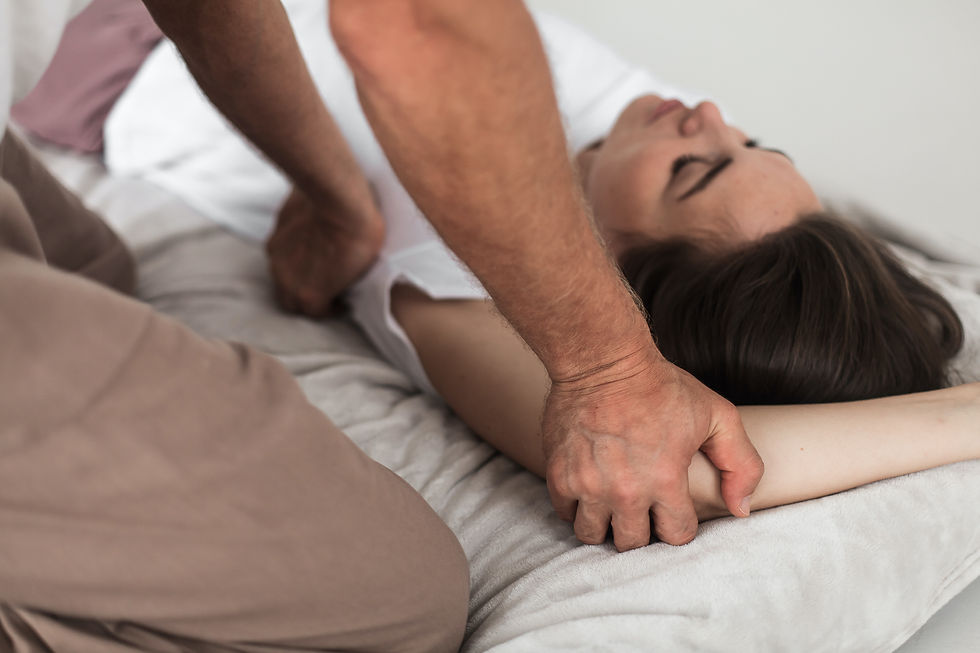
Therapist stretches a woman’s arm as she lies on a bed, eyes closed, in a calm, bright room.

For years, therapies such as chiropractic care, acupuncture, and massage therapy were often viewed as separate services used for specific problems. Chiropractic treatment was commonly associated with back pain. Massage was frequently seen as an occasional indulgence. Acupuncture was often considered an alternative therapy reserved for particular health concerns.


Today, that perception is changing.


Many people are adopting a more proactive approach to health. Instead of seeking treatment only when symptoms become severe, they are incorporating wellness services into their routines. This helps support physical function, recovery, and quality of life.


Healthcare professionals are also increasingly recognizing the role that lifestyle factors play in long-term health. Stress, sedentary behaviour, poor sleep, repetitive movements, and physical inactivity can all affect how the body feels. Moreover, these factors affect how the body functions over time.


As a result, integrated wellness approaches are gaining attention among people. These people want to maintain their health before significant problems develop.


Why Personalized Wellness Care Matters


One of the biggest shifts in modern healthcare is the move toward personalized care.


Research consistently shows that individuals respond differently to treatments based on factors such as age, activity level, health history, lifestyle habits, and personal goals. What works well for one person may not be the best option for another.


This is one reason many wellness clinics now offer multiple services under one roof. For example, clinics such as Health Pro Chiropractic provide chiropractic care alongside acupuncture and family-focused wellness services. This allows practitioners to create individualised care plans that address a patient's unique needs.


According to healthcare experts, personalised care can improve patient engagement. This is because people are more likely to follow treatment recommendations that align with their

lifestyle and goals.


Rather than relying on a one-size-fits-all solution, integrated wellness models allow providers to adjust care as a person's needs change over time.


A Growing Focus on Prevention


Many health experts agree that prevention is a key component of long-term wellness.


The modern lifestyle often places significant strain on the body. Hours spent sitting at desks, increased screen time, repetitive work tasks, and ongoing stress can contribute to muscle tension, joint stiffness, and reduced mobility.


While occasional discomfort is common, many people are choosing not to wait until symptoms interfere with daily life.


Instead, they are incorporating preventive strategies such as exercise, stretching, stress management, and complementary therapies into their routines.


This approach mirrors broader trends in healthcare. In these trends, prevention is often considered more effective and less costly than treating advanced problems after they develop.


How Integrated Wellness Combines Chiropractic Care, Acupuncture, and Massage


Physical discomfort is rarely caused by a single factor.


Muscle tension, joint restrictions, movement patterns, stress levels, sleep quality, and physical activity all influence one another. Because of this, some people find value in combining different therapies that address multiple aspects of health.


Chiropractic Care


Chiropractic care focuses on the musculoskeletal system, particularly the spine and joints. Chiropractors use hands-on techniques and other therapies to help improve movement and reduce mechanical restrictions.


Some research suggests chiropractic treatment may help certain individuals with conditions such as low back pain and neck pain. This is especially true when provided as part of a comprehensive care plan.


Acupuncture


Acupuncture is a practice rooted in Traditional Chinese Medicine that involves placing thin needles into specific points on the body.


The National Center for Complementary and Integrative Health (NCCIH) notes that acupuncture has been studied for several conditions, including chronic pain, headaches, and osteoarthritis. While results vary, some people report improvements in pain management and overall well-being.


Massage Therapy


Massage therapy focuses on muscles and soft tissues. It is commonly used to reduce muscle tension, promote relaxation, and support recovery after physical activity.


Research has shown that massage may help reduce stress, improve relaxation, and temporarily relieve certain types of musculoskeletal discomfort.


When used together, these therapies may provide complementary benefits for some individuals, although outcomes vary from person to person.


The Connection Between Stress and Physical Health in Integrated Wellness


The relationship between mental and physical health is well established.


When stress becomes chronic, the body responds by releasing hormones that can affect sleep, mood, energy levels, and muscle tension. Over time, prolonged stress may contribute to headaches, neck pain, shoulder tightness, digestive issues, and fatigue.


Healthcare providers increasingly recognize that managing stress is an important part of overall wellness.


This may help explain why therapies that encourage relaxation and recovery continue to grow in popularity. Many people are not only seeking relief from physical discomfort but also looking for ways to support their emotional well-being.


While these therapies should not replace mental health treatment when needed, they may serve as valuable components of a broader self-care strategy.


Recovery Is No Longer Just for Athletes


Recovery was once a concept primarily associated with professional sports.


Today, recovery has become part of everyday wellness.


Office workers, parents, students, healthcare professionals, and remote employees all place demands on their bodies. Long periods of sitting, repetitive movements, caregiving responsibilities, and work-related stress can contribute to physical fatigue.


As awareness of recovery grows, many individuals are incorporating mobility exercises, therapeutic treatments, and stress-management practices into their weekly routines.


Health experts often emphasize that recovery is not simply about healing after injury. It is also about supporting the body's ability to adapt to daily demands.


Why Evidence Matters


As public interest in wellness services continues to grow, consumers are becoming more informed about their options.


Access to scientific research, professional guidance, and reputable health resources allows individuals to make more educated decisions about their care.


Organizations such as the National Institutes of Health and the National Center for Complementary and Integrative Health continue to study complementary therapies. These include acupuncture and massage.


Experts recommend discussing wellness therapies with qualified healthcare professionals.


This is especially true for individuals with chronic conditions, pregnancy, recent injuries, or complex medical histories.


Evidence-based decision-making helps ensure that treatments are both appropriate and aligned with an individual's overall healthcare plan.


Convenience Plays a Role


Convenience is another factor driving interest in integrated wellness clinics.


Managing appointments with multiple providers can be challenging, particularly for busy individuals balancing work, family, and personal responsibilities.


When services such as chiropractic care, acupuncture, and massage therapy are available in one location, patients may find it easier to maintain consistent care.


Improved communication between providers and streamlined scheduling can also contribute to a more coordinated patient experience.


Consistency is often an important factor in wellness outcomes, making accessibility a practical consideration for many people.


Taking a Whole-Person Approach Through Integrated Wellness


Group doing outdoor knee-lift drills in a sunny park, with a coach and blue cones on pavement, energetic training scene

One of the most significant changes in modern wellness is the growing recognition that health involves more than the absence of illness.


Mobility, sleep quality, stress management, physical activity, recovery, emotional well-being, and social connection all contribute to overall health.


Many individuals are beginning to view wellness through this broader lens.

Instead of focusing solely on treating symptoms, they are exploring strategies that support how they feel, move, and function every day.


For some people, combining therapies such as chiropractic care, acupuncture, and massage therapy fits naturally within this whole-person approach.


The Future of Integrated Wellness


Interest in integrated wellness services continues to grow. This is because more people seek personalised, preventive, and convenient ways to support their health.


Chiropractic care, acupuncture, and massage therapy each offer unique approaches. These approaches may help address common challenges such as physical strain, stress, recovery needs, and mobility concerns.


While these therapies are not a substitute for medical care when serious health conditions are present, they may play a supportive role within a broader wellness strategy.


As always, it is important to work with qualified healthcare professionals. It is also vital to choose treatment plans that are based on individual needs, current evidence, and personal health goals.


By taking a proactive approach to well-being, many people are finding ways to support their health today. They are also investing in their long-term quality of life.


References


  1. National Center for Biotechnology Information. Patient-Centered Care and Personalized Medicine: An Overview of Precision Health Approaches. Available at: https://pmc.ncbi.nlm.nih.gov/articles/PMC6314203/

  2. U.S. Food and Drug Administration (FDA). What Is Precision Medicine? Understanding Personalized Healthcare Approaches. Available at: https://www.fda.gov/medical-devices/in-vitro-diagnostics/precision-medicine

  3. National Center for Biotechnology Information. Integrative Health and the Growing Role of Complementary Therapies in Modern Healthcare. Available at: https://pmc.ncbi.nlm.nih.gov/articles/PMC8915715/

  4. Harvard Health Publishing. Therapeutic Massage for Pain Relief: Benefits, Research, and Clinical Applications. Available at: https://www.health.harvard.edu/therapeutic-massage-for-pain-relief

  5. National Institutes of Health (NIH). Advancing Research to Improve Health and Wellness. Available at: https://www.nih.gov/

  6. National Center for Complementary and Integrative Health (NCCIH). Evidence-Based Information on Complementary, Alternative, and Integrative Health Practices. Available at: https://www.nccih.nih.gov/

Recent Posts

About the Author


Monica Pineider is the author of the A to Zen Therapies health blog and founder of a Central London wellness clinic. She specialises in massage therapy and holistic treatments, drawing on professional experience since 2009 in reflexology, shiatsu, and deep tissue massage.


She trained in Thailand and Bali in traditional massage techniques before continuing advanced hands-on study in London across multiple therapy disciplines. This international and clinical background has shaped the approach and philosophy of A to Zen Therapies.


Monica oversees the editorial direction of every article published on the blog, including content written or contributed to by external specialists in areas beyond the clinic’s direct clinical experience. All content is reviewed to ensure clarity, accuracy, and alignment with our editorial standards.


She shares practical, experience-based insights to support relaxation, recovery, and everyday wellbeing.

⚠️ Medical Disclaimer


The information provided on this website is for educational and informational purposes only and is not intended as medical advice, diagnosis, or treatment.


Always seek the advice of your physician, qualified healthcare provider, or other licensed medical professional regarding any medical condition, symptoms, or treatment options. Do not disregard professional medical advice or delay seeking it because of information you have read on this website.


A to Zen Therapies and its contributors provide information for general informational purposes only and may not reflect individual medical circumstances. Individual results from wellness practices, supplements, or natural therapies may vary.


If you are pregnant, nursing, taking medication, or have a pre-existing health condition, consult a qualified healthcare professional before starting any new wellness routine, supplement, or therapy.


Use of this website and its content is at your own risk.

Editorial Note

This article has been reviewed in accordance with A to Zen Therapies’ Editorial Policy to ensure accuracy, clarity, and responsible, experience-based wellness information.

bottom of page