top of page

A Note to Our Readers: Our health blog sometimes features articles from third-party contributors. We share ideas and inspiration to guide your wellness journey—but remember, it’s not medical advice. If you have any health concerns or ongoing conditions, always consult your physician first before starting any new treatment, supplement, or lifestyle change.

Important Details Accident Victims Miss After Head Trauma

  • Writer: Monica Pineider
    Monica Pineider
  • 3 hours ago
  • 5 min read

Common patterns in the presentation of head trauma cases, as well as the experiences of accident victims and medical practitioners who evaluate and treat patients with traumatic brain injuries, inform this article. The important point to remember from every case is that head injuries are frequently underestimated and underreported in the initial stages, as emphasized by neurologists, emergency physicians and rehabilitation specialists. In legal matters involving such injuries, traumatic brain injury lawyers can play a vital role in supporting victims through the complexities of the process.


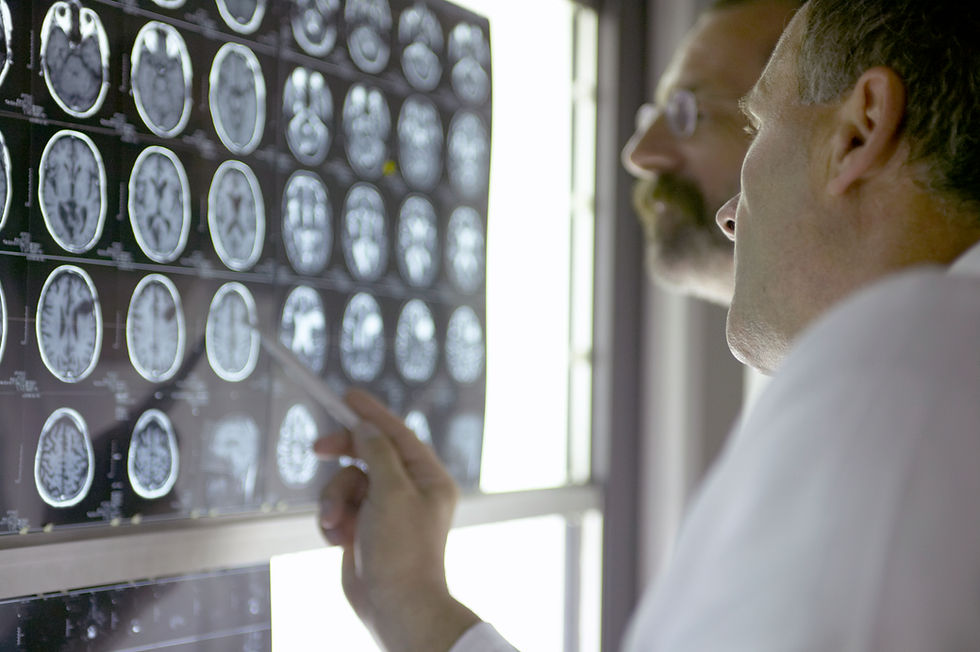
Doctors study brain MRI scans on a backlit panel, one pointing at the images in a focused hospital setting.

When a person begins to experience symptoms that impact their daily life, many NJ accident victims will seek advice from experienced traumatic brain injury lawyers in New Jersey. Doctors and lawyers frequently team up on legal matters to record and monitor symptoms.


The information below is based on generally accepted medical knowledge on the pattern of recovery from head trauma and symptoms following an accident.


Unnoticed symptoms after head trauma


Often the most difficult injuries to detect are those which are unseen.


This is particularly true following a car accident. Many New Jersey drivers leave the scene shaken, but otherwise fine. Then comes the days and an unexplainable feeling doesn't sit right. Perhaps it's constant headaches. Perhaps it's difficulty with concentration when talking or not remembering items that easily would be remembered.


Delayed symptoms are a common occurrence with mild traumatic brain injuries (TBI), medical professionals say. The changes may be small and little, and is therefore often overlooked or ignored.


This is why many accident victims eventually contact traumatic brain injury attorneys in N.J. when they see their recovery isn't what they hoped for.


This article will discuss some of the key points that accident victims often overlook when they suffer a head injury and why they should be brought to their attention.


“I’m Fine” Is Probably the Most Common Mistake


It's a phrase used by nearly everyone.


Adrenaline is at work immediately following an accident. The pulse is that the pulse rate is increased. You're answering questions. You're asking yourself what just transpired.


This reaction is normal from a medical point of view. Adrenaline sometimes causes symptoms of brain injury to be masked for a time in Emergency Medicine.


So of course, you tell people that you're fine.


The problem?


Things may appear well for some time. One day you forget an appointment that you wouldn't have missed before. It is more difficult to get things done. You feel tired all of the time, and you don't know why!


This time course is well known for concussion and mild TBI cases.


This is typically how head injuries first manifest.


Those little symptoms are sneaky!


Symptoms of head trauma can develop gradually and be difficult to detect. It is important to stress that sometimes mild symptoms can add up over time.


You might notice:


  • Persistent headaches

  • Difficulty focusing on basic activities

  • Tiredness for no known reason

  • Increased irritability

  • Fogginess of the mind or confusion


These symptoms are very mild, by themselves. However, the group of symptoms is more important than any individual symptom, according to doctors.


They can be used together to suggest continued neurological disruption.


Before you notice it, your Family May Notice It.


This is a very common trajectory in the recovery from brain injury.


Patients may not realize that there are behavioral or cognitive changes from head trauma. Family information is frequently used at evaluations by neurological specialists.


A spouse might reply, “You've asked me that 3 times today.”


Changes in personality may be observed by a friend.


You may notice new errors or delays in processing from a colleague.


The initial response of the injured party is usually denial.


Then with time, the external aspects are becoming harder to ignore.


Skipping Follow-Ups Sounds Harmless Until Later


While the idea of skipping Follow-Ups may seem benign, it can be detrimental to your success.


Follow-up care after head injury is an essential ingredient in the diagnosis and management of head injury.


Follow up visits are used by medical providers to:


  • Track symptom progression

  • Adjust treatment plans

  • Identify delayed complications

  • Document recovery patterns


If there are missed appointments, this can have an impact not only on your health but also in showing how symptoms may have progressed over time.


Continuity of care is a key aspect of trauma medicine and is strongly advocated for.


Even if it seems silly, stick to notes


Patients with head injuries are often instructed by their clinicians to keep records of symptoms, and in some cases, they may also be advised to consult a traumatic brain injury lawyer to better understand how proper documentation may support their situation.


This isn't only useful, it's clinically useful.


Keep track of:


  • Headaches

  • Sleep changes

  • Mood shifts

  • Memory issues

  • Focus difficulties


Written documentation is particularly important because memory impairment is a common symptom of TBI.


Social Media Only Shows Half the Story


Injurous appearance is a common concern of medical professionals.


Internal symptoms (e.g. pain, fatigue, or cognitive difficulty) can be very prominent, even though the appearance in photos is relatively fine.


This lack of connection may result in others possibly underestimating what the injury is, and sometimes even the patient.


The Costs Add Up In Weird Ways


In addition to the cost of the treatment, trauma to the head can have a secondary financial impact:


  • Missed work

  • Reduced productivity

  • Transportation costs

  • Additional medical visits

  • Requires help with activities of daily living (ADL)


These indirect costs are well known in health and legal impact assessment of the injury.


Documentation Gets More Important Every Month


Adhering to accurate documentation is important not only for medical treatment, but also for injury evaluation in the legal setting.


Experts recommend keeping:


  • Medical records

  • Appointment summaries

  • Receipts

  • Symptom logs


These documents can be used to piece together a history of injuries and healing over time.


The importance of early guidance


The importance of early evaluation and documentation is strongly endorsed in medical and legal practice.


Medical practitioners stress early diagnosis of symptoms, which may deteriorate.


Of course, in the same way, people typically hire traumatic brain injury lawyers in NJ early on

in their case to learn what paperwork and medical measures are crucial when they're all still fresh.


Recovery Can Be Strange


The road to recovery from head trauma is rarely a straight path.


The medical literature always reveals that there is fluctuation in symptoms:


  • Prominent successes interspersed with failures.

  • Inconsistent cognitive performance

  • Variable fatigue levels


Many mild and moderate brain injuries are unpredictable.


Final Thoughts


The signs and symptoms of head injury can be difficult for a person to recognise.


That's why external input, medical follow-up and consistent documentation is important.


Be aware of subtle modifications. Respond to others' noticing differences. Strictly adhere to medical advice. If necessary, seeking the advice of trained traumatic brain injury lawyers in New Jersey can ensure that people are more aware of their situation and what they should do next.


Sources


  1. Mayo Clinic. “Concussion – Symptoms and causes.” https://www.mayoclinic.org/diseases-conditions/concussion/symptoms-causes/syc-20355594

  2. Mental Health America (MHA). “What is adrenaline?” https://mhanational.org/resources/what-is-adrenaline/

  3. Mayo Clinic. “Concussion – Diagnosis and treatment.” https://www.mayoclinic.org/diseases-conditions/concussion/diagnosis-treatment/drc-20355600


Recent Posts

About the Author

Monica is a health and wellness enthusiast and the founder of A to Zen Therapies, a wellness clinic in the City of London serving busy corporate clients. Her experience helping high-stress professionals gives her expertise in supporting demanding lifestyles with holistic care.


She specializes in integrative health, combining traditional approaches with supplements, herbal support, and natural therapies, and is particularly keen on women’s health and long-term well-being.


As a mother of two, she is passionate about children’s health, and as a fitness lover and lifelong learner, she continuously explores new therapies and wellness trends to provide clear, practical, and trustworthy health insights.

bottom of page