top of page

A Note to Our Readers: Our health blog sometimes features articles from third-party contributors. We share ideas and inspiration to guide your wellness journey—but remember, it’s not medical advice. If you have any health concerns or ongoing conditions, always consult your physician first before starting any new treatment, supplement, or lifestyle change.

The Quiet Power of Southeast Asian Botanical Remedies in Modern Wellness

  • Writer: Monica Pineider
    Monica Pineider
  • 24 hours ago
  • 6 min read

Across the islands and rainforests of Southeast Asia, communities have relied on plants for generations. These traditions were never isolated from everyday life. They were part of morning routines, recovery after physical labor, family gatherings, and seasonal rituals tied to food, movement, and rest.


Today, many of those same practices are finding renewed relevance in modern wellness culture. As wellness practitioners working with clients across the City of London—including busy professionals, athletes, and individuals navigating chronic stress—we have seen growing interest in slower, more intentional approaches to wellbeing. Many clients are actively moving away from aggressive “quick-fix” wellness trends and seeking grounded routines built around body awareness, recovery, and botanical support.


Southeast Asian herbal traditions offer exactly that. Not because they promise dramatic transformation, but because they emphasize consistency, care, and long-term balance.


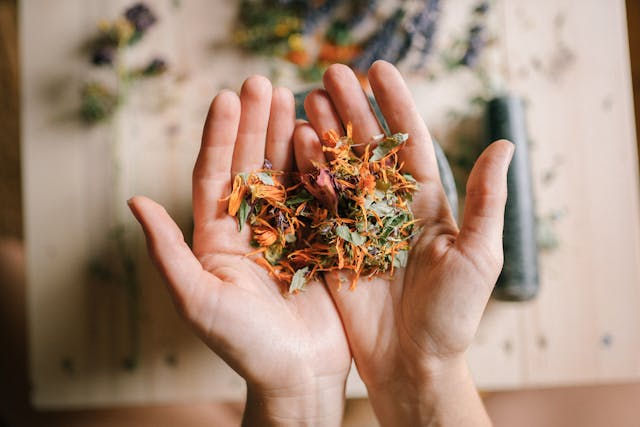
Hands holding colorful dried flowers, on a wooden table with more herbs in background. Natural and calm setting.

A Living Wellness Heritage


Southeast Asia contains some of the richest ethnobotanical traditions in the world.


Countries such as Thailand, Indonesia, Malaysia, and Vietnam each developed distinct systems of plant-based wellness practices shaped by climate, agriculture, spirituality, and local healing traditions.


In Thailand, traditional massage practices evolved alongside the use of warming herbal compresses filled with aromatic plants such as lemongrass and turmeric. Indonesian Jamu preparations blended ginger, turmeric, tamarind, and roots into daily tonics designed to support digestion, circulation, and recovery after physical activity. In rural parts of Borneo and Sumatra, locally harvested leaves were commonly brewed into restorative infusions after long hours of labor outdoors.


What unites these traditions is not simply the use of herbs. It is the mindset behind them.


Plants were prepared carefully, used intentionally, and integrated into broader wellness routines involving movement, rest, food, and community life. Wellness was viewed as something practiced daily rather than something pursued only during illness.


Why These Traditions Endured


These practices survived for centuries because they fit naturally within the rhythms of everyday life. They offered structure, familiarity, and a meaningful connection to the natural environment.


Modern science is now exploring many of the same ideas traditional practitioners understood intuitively: that certain plant compounds may have gentle, cumulative effects when used consistently and responsibly within healthy routines.


At the same time, it is important not to overstate what traditional botanicals can do.


Historical use alone does not automatically confirm modern clinical effectiveness. Research on herbal compounds continues to evolve, and outcomes vary depending on preparation methods, dosage, and individual health factors.


That balance matters. Respecting traditional knowledge also means approaching it honestly and thoughtfully.


The Role of Botanical Remedies in Daily Rituals


In many Southeast Asian households, herbs were not reserved exclusively for illness. They were woven into the opening and closing rhythms of the day.


A warming tea in the morning. A cooling compress after physical work. A calming infusion shared quietly after dusk.


These small rituals created pauses within demanding lives.


For modern readers wanting to bring this kind of intentional sourcing into their own routines, premium herbal products you can trust make a meaningful difference. Quality botanicals, transparent lab testing, and ethical sourcing of traditional leaves and powdered plant material help preserve the integrity these old traditions always demanded.


As practitioners working with high-pressure clients in London, we often see how restorative simple rituals can become when integrated consistently. Many professionals struggle not with a lack of wellness information, but with a lack of recovery structure. Slow herbal practices can help create boundaries between work, stress, movement, and rest.


The value often lies less in dramatic effects and more in repetition, mindfulness, and nervous system regulation.


Common Botanicals Across the Region


Several plants appear repeatedly throughout Southeast Asian wellness traditions because of their versatility and cultural significance.


Turmeric and Ginger


Turmeric and ginger remain central in many Indonesian and Thai preparations. Traditionally, they have been used in warming drinks and recovery tonics associated with circulation, digestion, and post-activity restoration.


Lemongrass


Lemongrass appears in teas, cooking, aromatic compresses, and steam preparations. Its fresh scent and warming qualities made it especially popular in traditional bodywork settings.


Pandan Leaves


Pandan leaves have long been used for both culinary and ceremonial purposes. Their fragrance is deeply associated with comfort, hospitality, and domestic rituals across the region.


Tropical Leaves and Plant Infusions


Various tropical leaves from the coffee plant family and surrounding rainforest ecosystems have historically been brewed into traditional beverages in parts of Malaysia and Indonesia.


In many communities, these preparations were tied to social rituals and periods of physical recovery.


These botanical remedies belong to broader cultural systems. They were never simply ingredients. They formed part of a slower, more intentional way of caring for the body.


How These Traditions Translate Into Modern Wellness


Modern life looks very different from village life in nineteenth-century Java or Northern Thailand. Yet the underlying wellness questions remain remarkably similar.


How do we recover from stress? How do we slow racing thoughts? How do we reconnect with physical routines that feel sustainable?


Traditional Southeast Asian wellness practices often approached these questions through small, repeatable actions rather than extreme interventions.


In our own clinical and wellness experience, many clients respond positively to routines that emphasize:


  • Warmth and calming sensory experiences

  • Consistent sleep and recovery habits

  • Gentle daily rituals instead of intense “resets”

  • Body awareness through massage, stretching, and rest


This is one reason traditional botanical rituals continue to resonate in modern wellness spaces.


Integrating Herbal Traditions Into Bodywork Practices


For individuals already exploring bodywork approaches such as Thai massage or Tuina Chinese massage, traditional herbal rituals can naturally complement those practices.


A warm herbal infusion before treatment may encourage relaxation and mental grounding. Gentle botanical rituals afterward can help extend the calming effect of bodywork sessions.


This integration is not a modern invention. In traditional Thai medicine, herbal compresses and massage were historically practiced together as parts of a unified wellness system.


Today, some wellness clinics in London and other major cities are gradually reintroducing that more integrated perspective on recovery and relaxation.


What Quality and Care Look Like Today


One of the most overlooked lessons from traditional herbal systems is the importance of careful sourcing.


Historically, plants were harvested seasonally, dried slowly, and stored with close attention to temperature, humidity, and freshness. There was skill involved at every stage.


Modern consumers no longer rely on village knowledge passed through families. Instead, trust depends on transparency, testing, and responsible manufacturing.


When evaluating herbal products, it is wise to look for:

  • Third-party purity testing

  • Transparent country-of-origin information

  • Ethical harvesting practices

  • Clear ingredient labeling

  • Good manufacturing certifications


Trade groups now formalize what village healers once knew by feel. The AHPA Code of Ethics sets clear expectations for how reputable herbal companies handle identity testing, accurate labeling, and honest sourcing claims.


These modern standards reflect many of the same principles traditional practitioners valued for generations: know the plant, understand its origin, and handle it with care.


Signs of Thoughtful Production


Several indicators can help consumers identify responsibly produced botanical products:

  • Batch-level testing for purity and contaminants

  • Transparent sourcing information

  • Clear preparation and processing methods

  • Minimal unnecessary additives or fillers


These details may appear technical, but they reflect something much older: respect for the integrity of the plant material itself.


Slowing Down May Be the Real Tradition


Perhaps the deepest lesson within Southeast Asian herbal traditions is not tied to any single plant at all.


It is the value of slowness.


These rituals were never designed for speed. Brewing took time. Preparation required attention. The act of drinking or applying herbs became a pause within the day rather than another task to rush through.


For many modern individuals—especially those balancing demanding careers, constant digital stimulation, and high physical or mental output—that slower rhythm can feel unexpectedly restorative.


A few quiet minutes with a warm cup.A repeated evening ritual.A moment of attention directed toward recovery rather than productivity.


That may be the real reason these traditions continue to resonate today.


Important Note on Herbal Wellness


Traditional herbal practices can support wellness routines and mindful recovery habits, but they are not intended to diagnose, treat, or cure medical conditions. Individual responses to botanicals vary, and readers should consult qualified healthcare professionals before introducing concentrated herbal supplements into their routine, especially when managing medications or existing health concerns.


Final Thoughts


When approached thoughtfully, Southeast Asian herbal traditions stop feeling like exotic wellness trends and begin to look like something far more practical.


They are structured daily practices built around consistency, awareness, and care.


The plants matter.The rituals matter.But perhaps most importantly, the mindset behind them matters too.


From our perspective as wellness practitioners working with diverse clients in London, many people are not necessarily searching for more wellness products. They are searching for steadier ways to recover, regulate stress, and reconnect with healthier routines.


These traditions have quietly offered that perspective for generations. Their relevance today may be less surprising than it first appears.


Sources


  • Etaware, P., America, J., Egara, O., & Ekun, V. (2025). Herbal medicine: Scientific validation and future prospects. International Journal of Pharmacy and Chemistry, 11(3), 67–75. https://doi.org/10.11648/j.ijpc.20251103.12 


Recent Posts

About the Author

Monica is a health and wellness enthusiast and the founder of A to Zen Therapies, a wellness clinic in the City of London serving busy corporate clients. Her experience helping high-stress professionals gives her expertise in supporting demanding lifestyles with holistic care.


She specializes in integrative health, combining traditional approaches with supplements, herbal support, and natural therapies, and is particularly keen on women’s health and long-term well-being.


As a mother of two, she is passionate about children’s health, and as a fitness lover and lifelong learner, she continuously explores new therapies and wellness trends to provide clear, practical, and trustworthy health insights.

bottom of page